What Happened
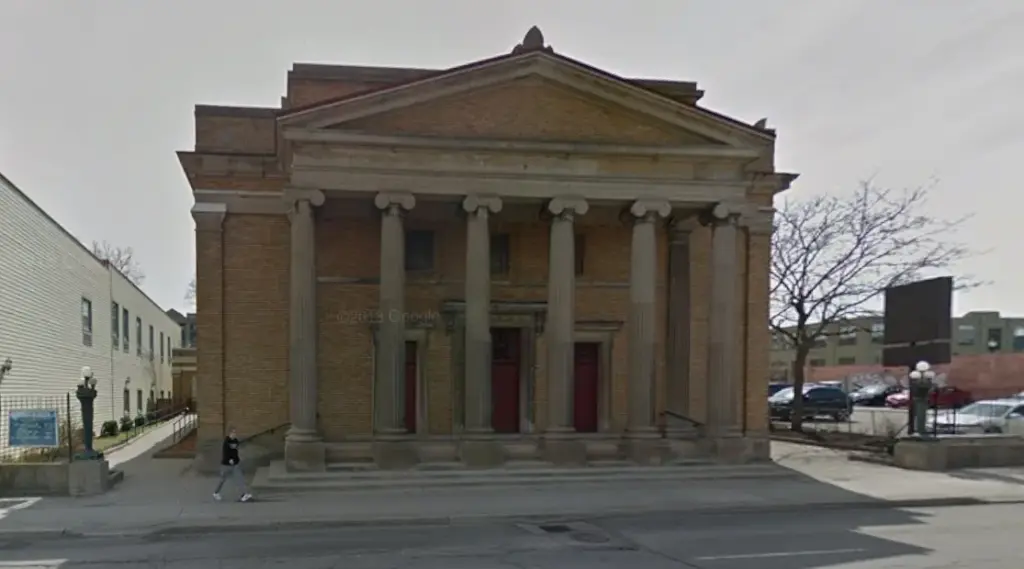
In recent developments across various communities in Canada, churches are facing significant transitions that reflect changing dynamics in worship and community engagement. Trinity United Church in Iroquois Falls, Ontario, made a pivotal decision three years ago to sell its building and worship in a public space, leading to a deeper connection among its members. Meanwhile, First Pilgrim United Church in Hamilton is grappling with a heritage designation that complicates its efforts to sell its building as it prepares to close by the end of the year. Additionally, the community of Colville Lake, N.W.T., is adapting to the loss of its only church, Our Lady of the Snows, which was destroyed by fire last September.
Why It Matters
These changes highlight the evolving role of churches in Canadian society. For Trinity United, the shift away from a physical building has allowed the congregation to focus more on community service and support, reinforcing the idea that the church is fundamentally about its people. In contrast, First Pilgrim United’s heritage designation poses challenges for its dwindling congregation, potentially hindering the sale of a building that holds significant architectural and cultural value. The loss of Our Lady of the Snows has left a void in Colville Lake, emphasizing the importance of physical spaces for communal worship and cultural identity.
What’s Next
As Trinity United continues to thrive in its new format, it may serve as a model for other congregations facing similar challenges. First Pilgrim United will need to navigate the complexities of its heritage designation while seeking potential buyers who appreciate the building’s historical significance. In Colville Lake, community members will continue to adapt by holding services in alternative locations, but the emotional impact of losing their church will linger. The future of these churches will depend on how well they can balance tradition with the needs of their communities.