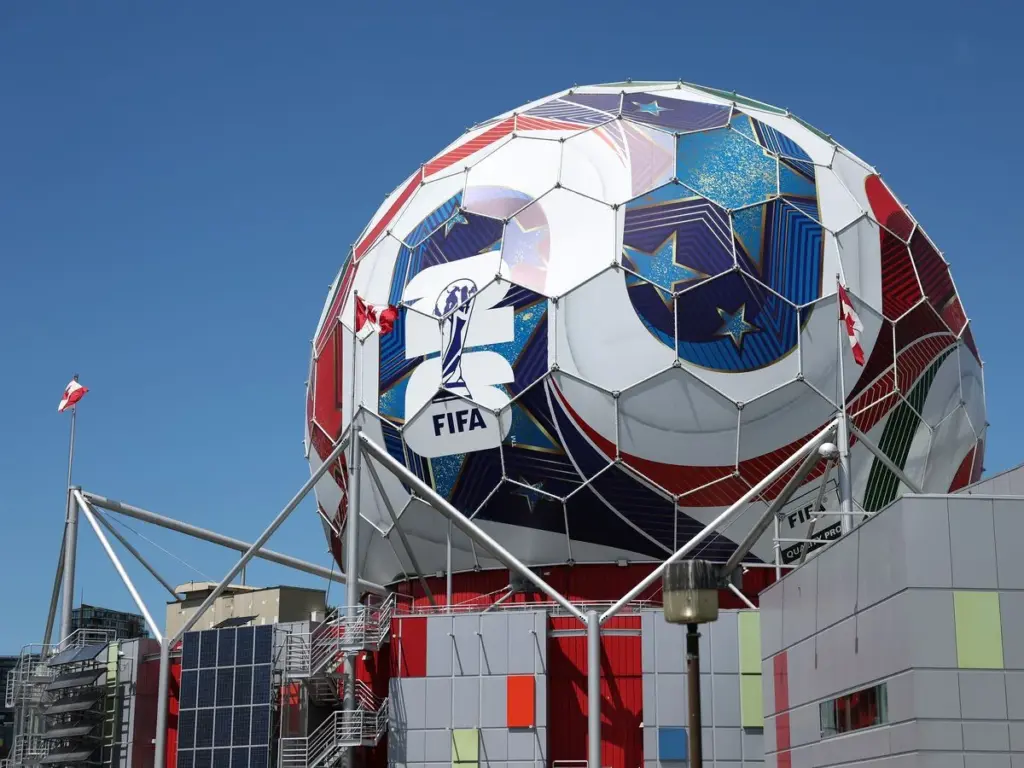
Toronto hosted 6 World Cup matches. Here's 6 of the best moments
Toronto’s role as a host city for the World Cup has shown a marginal economic impact, according to recent data. While international tourist spending increased in certain sectors, overall spending, when including locals and domestic tourists, was only slightly above the inflation rate. This suggests that the event may have displaced regular visitors rather than generating a significant economic boost.
Victor Matheson, an economist specializing in the sports industry’s economic effects, indicated that the best-case scenario is that domestic tourism and business travel were simply postponed to a later date. The worst-case scenario, he noted, is that overall spending remained largely unchanged, making the hosting an expensive endeavour for Toronto and Vancouver.
Spending trends and hotel occupancy
Data from Moneris, a payments processing company, revealed that from June 12 to June 26, total spending at bars and restaurants in Toronto saw a three percent increase compared to the same period a year prior. However, spending by foreign tourists, identified by foreign-issued credit and debit cards, at these establishments rose by 34 percent.
Overall spending also increased for groceries and mass merchandisers, but decreased for apparel. Hotel occupancy for the week ending June 20 was 72 percent, a decline from 88 percent in the corresponding week last year, according to the Greater Toronto Hotel Association.
Sean McCormick, a vice president at Moneris, noted that the economic impact of the World Cup in Toronto was less substantial than that of Taylor Swift’s Eras Tour. The Eras Tour led to a 90 percent increase in apparel spending and significant rises at bars and restaurants, demonstrating a different scale of economic activity.
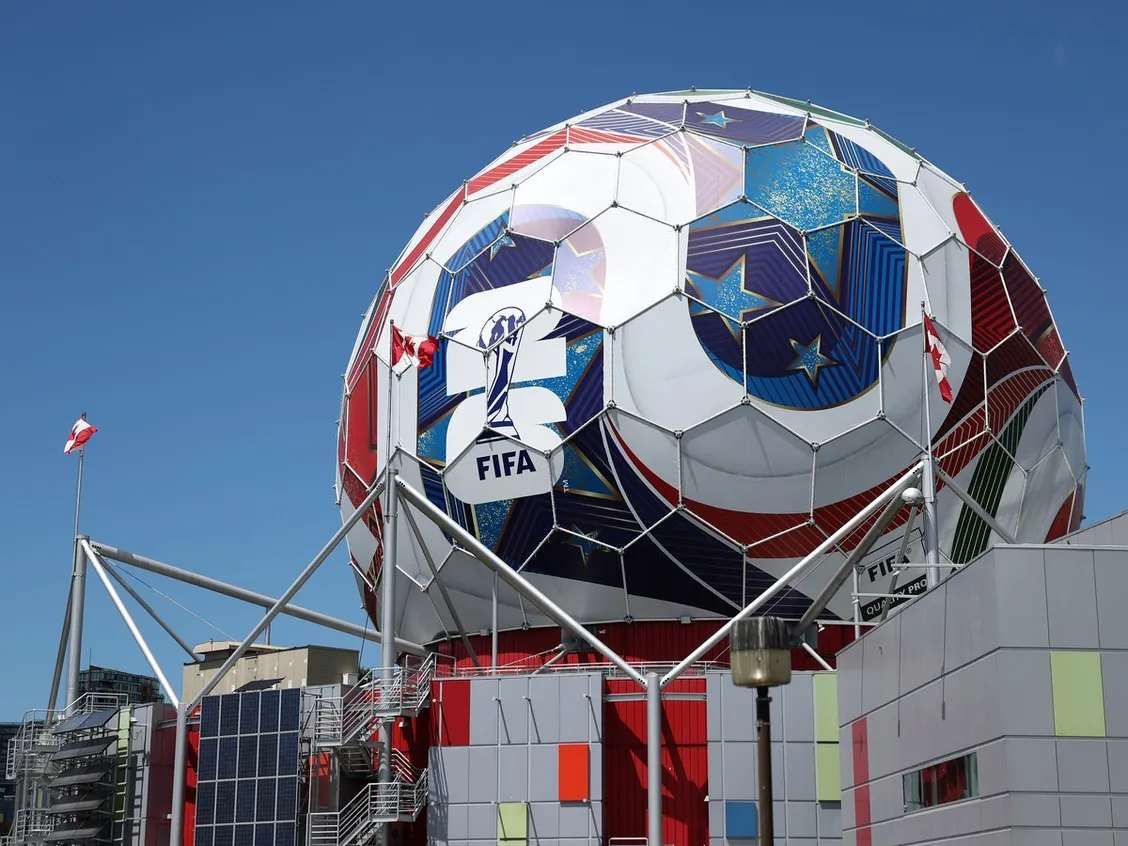
Kelly Higginson, CEO of Restaurants Canada, observed that while many downtown bars and restaurants were busy showing World Cup games, it is unclear if the city’s hosting provided a substantial boost. Some downtown businesses, particularly those not focused on sports, experienced reduced traffic on game days due to office closures.
Business sentiment and expectations
Economists have also examined the broader impact of major football tournaments on business confidence. A study by Jonas Hennrich and Klaus Wohlrabe of Germany’s Ifo Institute for Economic Research analyzed business sentiment and expectations during football championships from 1991 to 2024, covering eight World Cups and nine European Cups.
Their findings suggest that business sentiment generally does not change in the months surrounding a tournament. However, expectations do shift. In the six months leading up to a tournament, expectations tend to be slightly more pessimistic. This trend reverses two months before the event, with expectations improving, though this effect is short-lived, returning to original levels six months after the tournament concludes.
The study also indicated that European Cup events had a stronger effect on European businesses than World Cups, particularly for manufacturing firms. For instance, the biggest jump in expectations occurred when Germany hosted the 2006 World Cup and when it won the 2014 World Cup, even though the latter was held in Brazil. The authors noted that a subdued macroeconomic environment, such as in 2024, could mute sentiment and expectations.
Pedro Antunes, chief economist at Signal 49 Research, offered a more optimistic view, suggesting that foreign spending may have helped stabilize spending in some categories, especially given Canada’s economic conditions before the World Cup. He added that while the counterfactual is unknown, the economy had been weak prior to Canada’s opener against Bosnia and Herzegovina on June 12.
Source: thestar.com