Who is involved
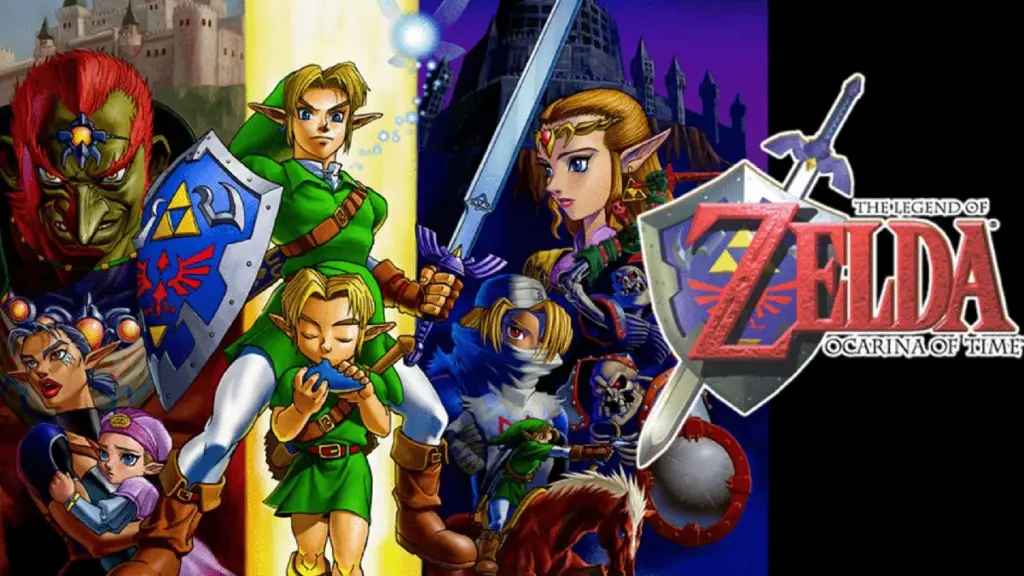
The anticipation surrounding the Zelda Ocarina of Time remake has been palpable among fans and gamers alike. Originally released in 1998, Ocarina of Time is often hailed as one of the greatest games ever made. Its innovative gameplay and rich storytelling have left a lasting impact on the gaming community. However, as time progressed, many players hoped for a modern remake that would honor the original while introducing new elements to enhance the experience.
Fast forward to the present, and the gaming landscape is buzzing with excitement as reports confirm that a remake of The Legend of Zelda: Ocarina of Time is set to launch exclusively on the Nintendo Switch 2 in the summer of 2026. This announcement marks a significant shift in expectations, as fans eagerly await the opportunity to revisit Hyrule with upgraded visuals and smoother gameplay. The decision to release the remake during the holiday season adds to the excitement, as it aligns with the festive spirit and the tradition of gaming gifts.
As details emerge, it is clear that this remake aims to incorporate several enhancements that will resonate with both new players and long-time fans. Speculation suggests that the remake will feature upgraded graphics, interactive elemental effects reminiscent of Breath of the Wild, and expanded enemy AI. Additionally, there are whispers of a Master Quest difficulty mode, enhanced combat mechanics while riding Epona, and optional voice acting, all designed to enrich the gameplay experience.
These changes are not just technical improvements; they reflect a broader understanding of what players desire in a modern gaming experience. As one enthusiastic fan noted, “If the rumors are true and Nintendo actually gives us an Ocarina of Time remake, I’m all the way in.” This sentiment echoes the excitement within the community, as many are ready to immerse themselves in a familiar world that has been revitalized for a new generation.
However, while the excitement is tangible, there remains a level of uncertainty surrounding the scope of the changes from the original game. Details remain unconfirmed, leaving fans to speculate about how the essence of the original will be preserved. The balance between honoring the classic and introducing new features is a delicate one, and many hope that Nintendo will navigate this challenge with care.
The impact of this remake extends beyond just the gaming community. It represents a cultural touchstone, bringing together generations of players who have shared in the adventure of Link and his quest to save Princess Zelda. As one commentator remarked, “A proper remake is not about replacing the original. It’s about honoring it.” This perspective highlights the importance of nostalgia in gaming, where the past and present can coexist harmoniously.
As we look ahead to the second half of 2026, the excitement continues to build. The prospect of a new chapter in the Ocarina of Time saga is not just about gameplay; it’s about community, shared experiences, and the joy of rediscovering a beloved classic. With the holiday season approaching, many fans are already marking their calendars for what promises to be a significant moment in gaming history.
In conclusion, the upcoming remake of Zelda Ocarina of Time for the Nintendo Switch 2 is shaping up to be a landmark event. As we await further details, the community remains united in its enthusiasm, ready to embrace the adventure once more.