Introduction
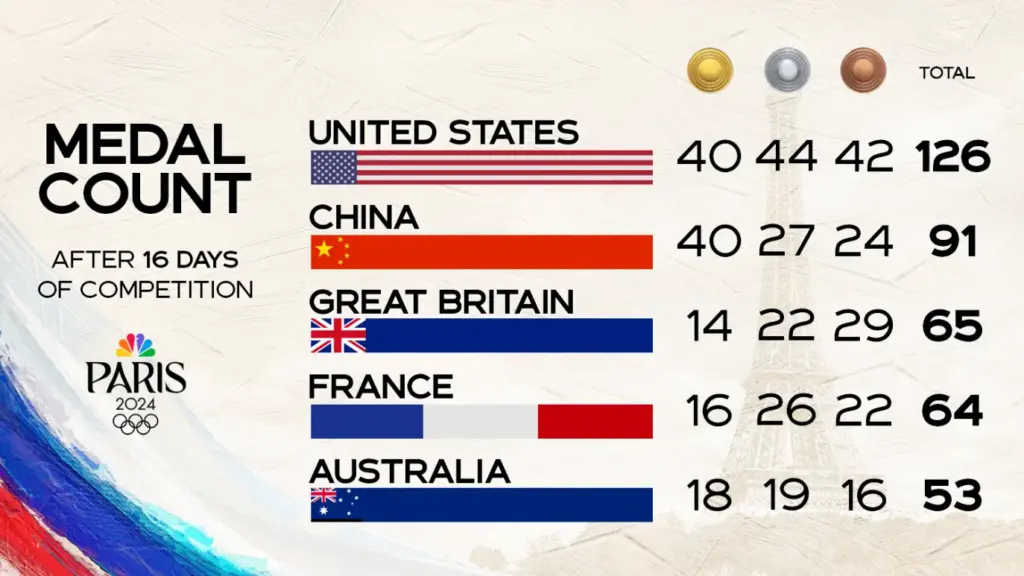
The Olympic Games represent not only sporting excellence but also national pride, as countries compete for medals that symbolize their athletic prowess. As we approach the 2024 Paris Olympics, understanding the dynamics of the Olympic medal count becomes increasingly important. This analysis highlights recent trends, notable performances, and projections for the upcoming Games, making it a vital read for sports enthusiasts and analysts.
Current Landscape of the Olympic Medal Count
The last Olympic Games took place in Tokyo in 2021, where the United States topped the medal count with 39 golds, followed closely by China and Japan. Since then, nations have been ramping up their preparation for the 2024 Games, focusing on sports where they traditionally excel and exploring new events to increase their chances of winning medals.
Top Competitors
As of 2023, the United States, China, and Russia remain the top competitors in the Olympic medal race. The U.S. has consistently held a robust program across multiple disciplines, while China is putting considerable investment into gymnastics, diving, and athletics. Countries like Great Britain, Australia, and Canada are also positioning themselves to capture more medals through strategic athlete development programs.
Trends Leading Up to the 2024 Games
One significant trend observed is the growing emphasis on women’s sports. The 2024 Olympics is expected to feature more female athletes than ever, as nations seek to level the playing field and capitalize on emerging talent in a variety of athletic disciplines. Additionally, the introduction of new sports like skateboarding and surfing has attracted younger audiences and athletes, diversifying potential medal counts.
Shifting National Strategies
Several countries are innovating their approach to Olympic success, including enhanced training facilities and technology integration to monitor athlete performance. For instance, the Canadian Olympic Committee has announced initiatives to support mental health and well-being of athletes, reflecting a shift toward more holistic training methods. This strategy may enhance performance and improve medal opportunities.
Conclusion
As the countdown to the 2024 Paris Olympics continues, the evolving landscape of the Olympic medal count becomes a focal point of interest for athletes and nations alike. Forecasts suggest an exciting competition where historical rivalries may play out once more. Readers can anticipate unforgettable performances and perhaps a surprising leading medal count by the close of the Games. The upcoming Olympics promise to be not only a showcase of athleticism but also a testament to the dedication and innovation that drives nations to compete on the world stage.