Introduction: The Importance of Studying Jupiter
Jupiter, the largest planet in our solar system, holds a significant position in both astronomy and planetary science. Its immense size, complex atmosphere, and multitude of moons make it a focal point for researchers and enthusiasts alike. Understanding Jupiter is crucial not just for comprehending its own nature but also for gaining insights into the formation and evolution of planetary systems, including our own.
Recent Events and Discoveries
Recent advancements in space exploration have renewed interest in Jupiter. NASA’s Juno spacecraft, which has been in orbit around Jupiter since 2016, continues to provide invaluable scientific data. Juno’s mission aims to study the planet’s gravity, magnetic field, and atmospheric dynamics, revealing information about its origins and structure.
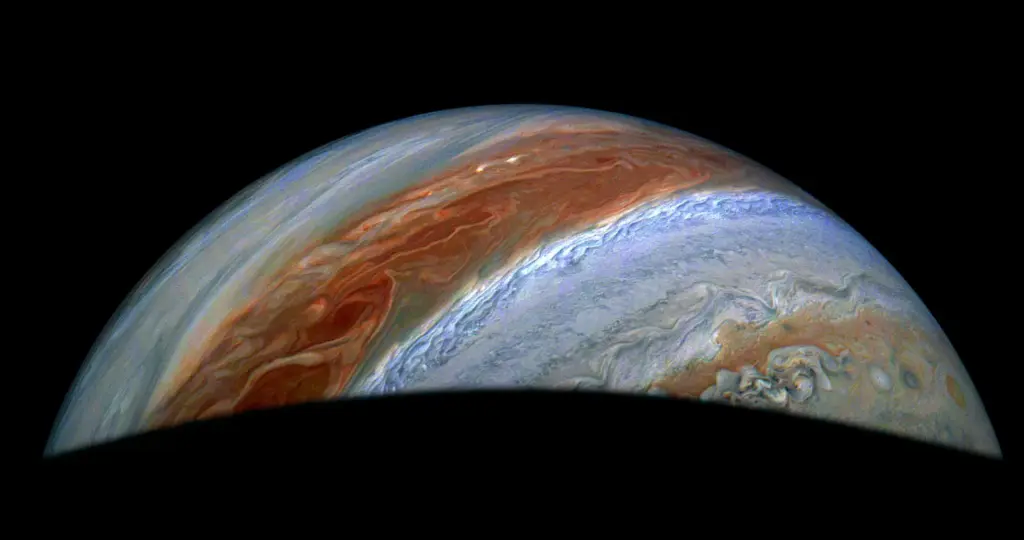
One of the most captivating discoveries made by Juno is the detailed measurements of Jupiter’s atmosphere, shedding light on its powerful storms and vibrant cloud patterns. The Great Red Spot, a raging storm larger than Earth, is one particular focus. Observations indicate that this storm is gradually shrinking, leading scientists to question its future and the meteorological processes at play.
Furthermore, the latest findings about Jupiter’s moons, particularly Europa, have generated excitement among astrobiologists. Europa is believed to harbor a subsurface ocean beneath its icy crust, raising the possibility of life beyond Earth. Planned missions, such as NASA’s Europa Clipper, aim to explore this moon further, enhancing our understanding of its potential for hosting life.
The Significance of Jupiter for Earth
Jupiter’s immense gravitational force plays a crucial role in the stability of our solar system. By acting as a shield, it helps divert rogue asteroids that could pose a threat to Earth. This protective aspect underscores the need to study Jupiter, as it ensures the long-term safety of our planet.
Conclusion: What Lies Ahead
As we continue to gather data on Jupiter, the allure of this gas giant only grows. Future missions and advancements in technology promise to unlock even more secrets about this fascinating planet. For readers interested in space and planetary science, keeping an eye on Jupiter’s developments can offer profound insights into our universe’s mysteries and may ultimately change our understanding of life beyond Earth.