Introduction
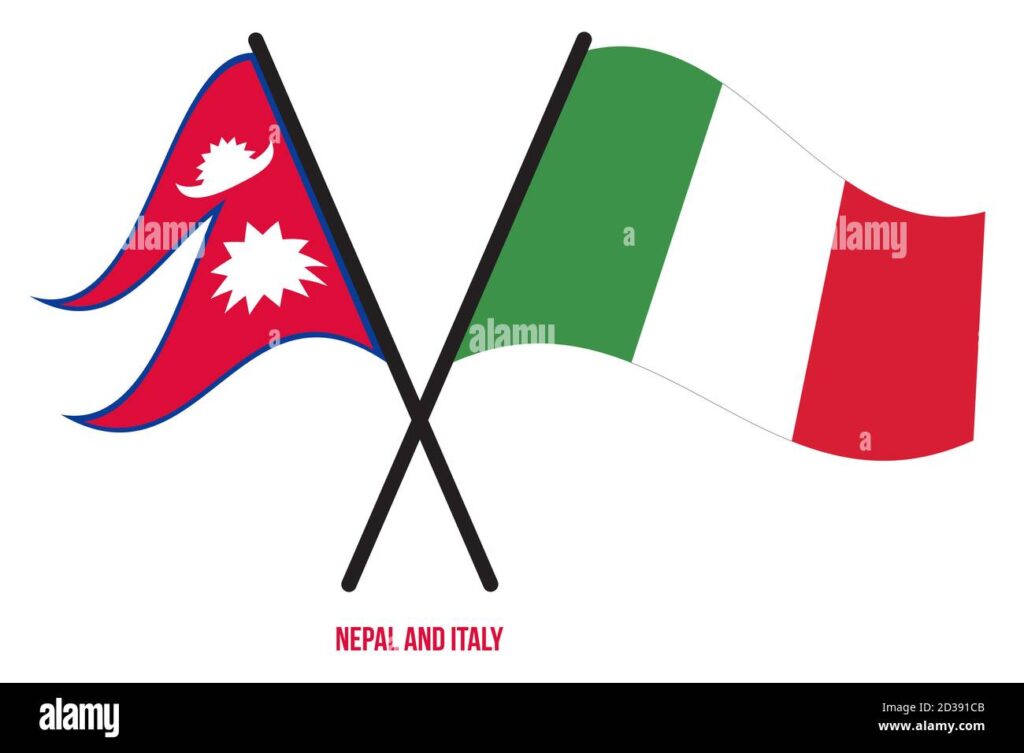
The comparison between Nepal and Italy is an intriguing exploration of two culturally rich and geographically diverse countries. Located in South Asia, Nepal is renowned for its towering Himalayan peaks, including Mount Everest, and its vibrant traditions. In contrast, Italy, located in Southern Europe, boasts a rich history of art, architecture, and cuisine that continues to capture the world’s imagination. Understanding the cultural, historical, and environmental characteristics of these two countries not only highlights their uniqueness but also emphasizes the commonalities that can exist despite geographical distance.
Cultural Differences and Similarities
Nepal is a land of diverse ethnic groups and languages, where over 120 languages are spoken. Its cultural fabric is woven with Hindu traditions and Buddhist influences, evident in its festivals, rituals, and daily life. Major festivals like Dashain and Tihar attract thousands and reflect the deep-seated traditions ingrained in Nepali society.
Italy, on the other hand, is the birthplace of the Renaissance and is home to iconic artists like Leonardo da Vinci and Michelangelo. Italian culture is deeply rooted in family values, with mealtimes being significant social gatherings. The diversity within Italy’s regions also brings a wide spectrum of local traditions, dialects, and culinary specialties that vary from one locale to another.
Geographical Highlights
Geographically, Nepal’s landscape is dominated by mountains, including eight of the fourteen tallest peaks in the world. This rugged terrain contributes to the country’s eco-tourism, drawing trekkers and mountaineers from around the globe. Additionally, Nepal’s national parks and wildlife reserves offer rich biodiversity, attracting nature enthusiasts.
Italy’s geography is just as varied, featuring rolling hills, captivating coastlines, and historical cities like Rome, Florence, and Venice. The Italian countryside is known for its vineyards and agricultural richness, making it an essential part of its cultural identity. The Mediterranean climate also supports a vibrant outdoor lifestyle, contributing to the love for food and social gatherings.
Conclusion
In conclusion, while Nepal and Italy may differ dramatically in terms of culture, geography, and lifestyle, both countries share a deep-rooted appreciation for tradition and community. Understanding these differences and similarities can enhance our appreciation for diverse cultures and remind us of the beauty found in diversity. As globalization continues to connect the world, fostering mutual respect and understanding between nations like Nepal and Italy becomes increasingly important in building a harmonious global community.