Recent Developments in Canadian Citizenship by Descent
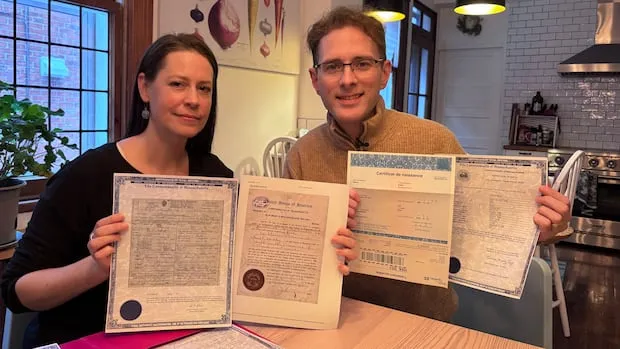
In recent months, a notable trend has emerged as Americans are increasingly claiming Canadian citizenship by descent. This shift has been significantly influenced by the enactment of Bill C-3, which allows Canadians to claim citizenship without the previous first-generation limit. The law, which retroactively grants citizenship to individuals born before December 15, 2025, has opened the door for many who have Canadian ancestry.
As of early March 2026, almost 48,000 people were waiting for a decision on their certificate applications. This surge in applications is particularly striking, with requests for certified documents from Americans increasing by over 3,000% from January 2025 to January 2026. The Immigration, Refugees and Citizenship Canada (IRCC) expects tens of thousands of requests for Canadian citizenship certificates over time, reflecting a significant shift in how citizenship is viewed.
The Impact of Bill C-3
Prior to the introduction of Bill C-3, the Canadian citizenship laws restricted the transmission of citizenship to only direct children of Canadian citizens born abroad. This limitation often left many individuals with Canadian ancestry unable to claim their citizenship. The new law, however, allows individuals to apply for citizenship even if they were born outside Canada, provided they can prove their lineage.
Many individuals have expressed their desire to claim Canadian citizenship as a form of security. Lynn Rutman, an American with Canadian roots, stated, “We feel like we want that Plan B so that we know we have a place to go in the event that things get even worse here.” This sentiment resonates with a growing number of Americans who are looking for alternatives amid changing socio-political climates in their home country.
Personal Stories Reflecting a Broader Trend
Personal narratives further illustrate the emotional significance of this trend. Cassandra Fultz, another American seeking citizenship, noted, “There’s no limit on how many generations you can go back, as long as you can prove it.” This reflects the newfound opportunities available to those with Canadian ancestry, allowing them to reconnect with their heritage.
For many, the desire to claim Canadian citizenship is deeply personal. Patricia Evan Martins expressed her feelings by saying, “I always have felt Canadian and this would make me just so happy.” Similarly, Ryan Hamel shared, “My mindset is much more Canadian than American,” highlighting the cultural connections that many Americans feel towards Canada.
Historical Context and Future Implications
This trend is rooted in a long history of migration between the two countries. Between 1840 and 1930, close to one million French-speaking Canadians emigrated to the United States, creating strong family networks that continue to influence contemporary citizenship claims. The Canadian government aims to modernize citizenship laws to reflect global family realities, acknowledging the complexities of modern familial relationships.
As the processing time for certificate applications is estimated to be around 11 months, many applicants are left in limbo as they await decisions on their claims. The implications of this legislative change are significant not only for those directly involved but also for the broader relationship between Canada and the United States, as family ties continue to shape the identities of individuals across borders.
As this trend evolves, it will be essential to monitor how the increase in citizenship applications affects both Canadian immigration policies and the individuals seeking to reconnect with their heritage. The changing landscape of citizenship reflects broader societal shifts and the ongoing importance of family connections in an increasingly globalized world.