Introduction
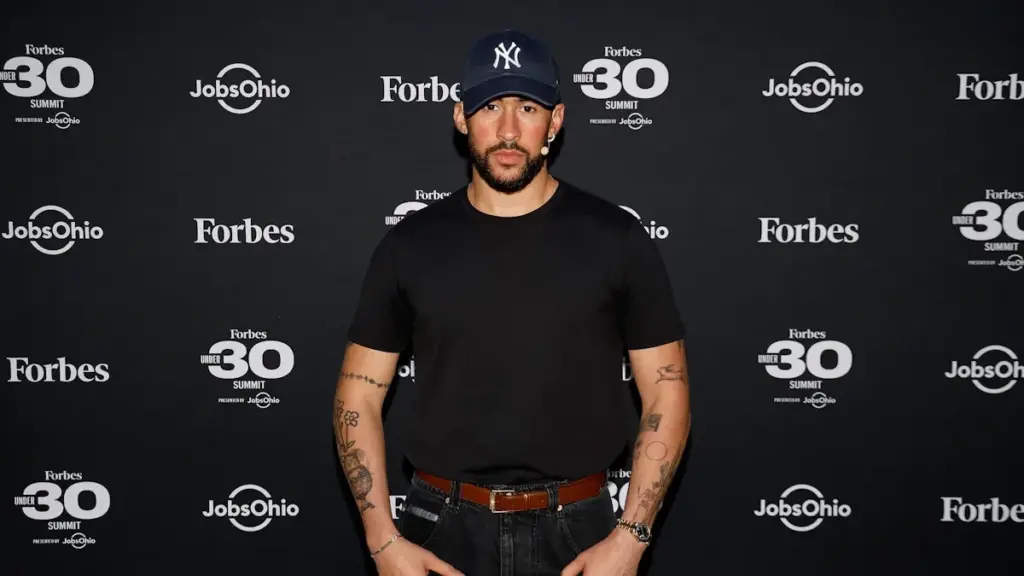
Puerto Rican singer Bad Bunny is not only a global music sensation but also a vocal advocate for LGBTQ+ rights. His openness about gender fluidity and his support for the LGBTQ+ community have sparked discussions about representation in the music industry. As conversations about sexuality and identity become increasingly prominent, Bad Bunny’s influence is pivotal in advancing these important topics, making it essential to evaluate his impact.
Breaking Stereotypes
Bad Bunny, whose real name is Benito Antonio Martínez Ocasio, has consistently defied traditional gender norms through his fashion choices and lyrics. His music often challenges societal expectations, addressing issues that resonate with many within the LGBTQ+ community. For instance, his collaboration with fellow artist Jhay Cortez in ‘DÁKITI’ features a colorful and fluid visual presentation that rejects rigid gender binaries.
Support for LGBTQ+ Rights
In recent performances and music videos, Bad Bunny has shown his support by featuring LGBTQ+ themes, including pride and acceptance. During a concert in 2020, he wore a shirt that read ‘They killed LGBTQ+ people,’ paying homage to LGBTQ+ victims of violence and acknowledging the ongoing fight for equality. This fearless advocacy not only entertains but also promotes awareness and understanding.
Public Reactions and Significance
The reception to Bad Bunny’s pro-LGBTQ+ stance has been overwhelmingly positive. Fans commend him for using his platform to amplify marginalized voices. Critics, however, argue about the authenticity of his advocacy due to his commercial success. Nonetheless, the visibility he provides for LGBTQ+ individuals in Latin music is invaluable, highlighting stories that often go unheard.
Conclusion
Bad Bunny’s approach to his music and public persona signifies a positive shift in Latin music towards inclusivity and acceptance. As he continues to break barriers and challenge stereotypes, it becomes clear that his influence reaches far beyond the charts. Bad Bunny exemplifies how artists can be catalysts for social change, fostering a more inclusive culture within the industry and society at large. Moving forward, it will be essential to observe how his advocacy shapes the narrative of representation for LGBTQ+ individuals in music.