Introduction
The recent parliamentary elections in Bangladesh, held on October 10, 2023, have drawn significant attention both domestically and internationally. Given the country’s strategic geopolitical position in South Asia and its growing economic importance, the election outcomes are relevant not only for Bangladesh but also for its neighbors and global partners. With voter turnout at approximately 75%, the results are expected to influence the nation’s political landscape for years to come.
Main Body
The ruling Awami League party, led by Prime Minister Sheikh Hasina, has reportedly secured a landslide victory, clinching around 180 out of 300 seats in the Jatiya Sangsad (National Parliament). This victory marks a continuation of Hasina’s leadership, which has been a defining feature of Bangladeshi politics since 2009. In her victory speech, Prime Minister Hasina emphasized her government’s commitment to development and economic growth, seeking to reassure the public that her administration will continue to tackle issues such as poverty and unemployment.
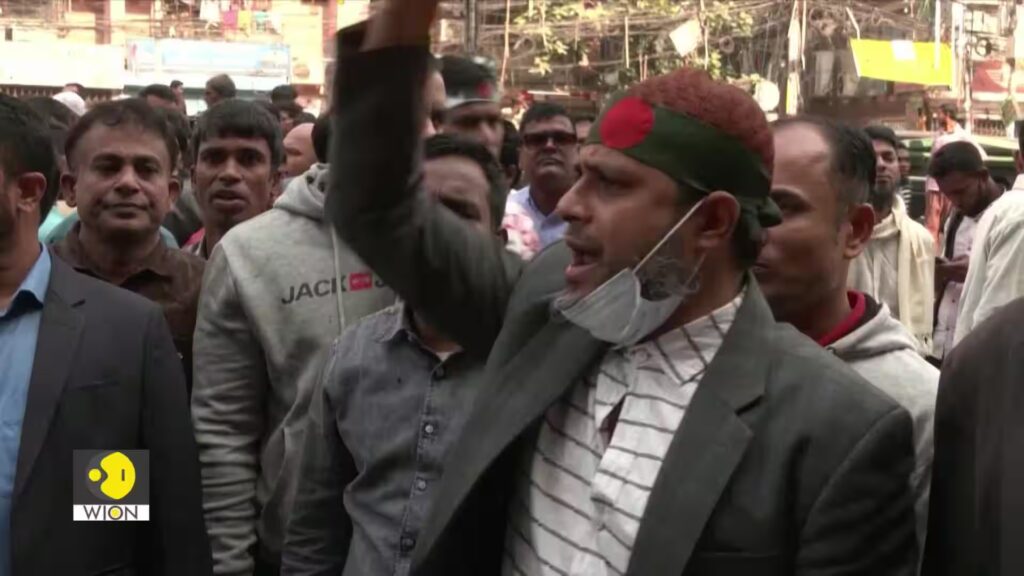
However, the elections were marred by allegations of voter intimidation and electoral fraud, with opposition parties, particularly the Bangladesh Nationalist Party (BNP), claiming irregularities during the voting process. Reports indicate instances of violence and clashes between opposing supporters, raising questions about the fairness of the electoral environment.
International observers have provided mixed reviews. While some noted improvements in the electoral process compared to previous years, many highlighted the need for more transparency and fair competition to strengthen democracy in Bangladesh. The U.S. State Department and the European Union have called for an investigation into the alleged irregularities, advocating for accountability and reforms in the electoral system.
Conclusion
The implications of the 2023 Bangladesh election results will resonate beyond immediate political shifts. With the Awami League’s continued dominance, stability and growth in policy-making are anticipated; nonetheless, addressing allegations of electoral malpractice will be essential for long-term democratic governance. Going forward, it remains crucial for the government to foster an inclusive atmosphere for political discourse while ensuring that dissenting voices are heard. As international scrutiny continues, Bangladesh stands at a crossroads that could define its trajectory in the coming years, potentially impacting foreign relations, economic partnerships, and domestic unrest.