What Happened
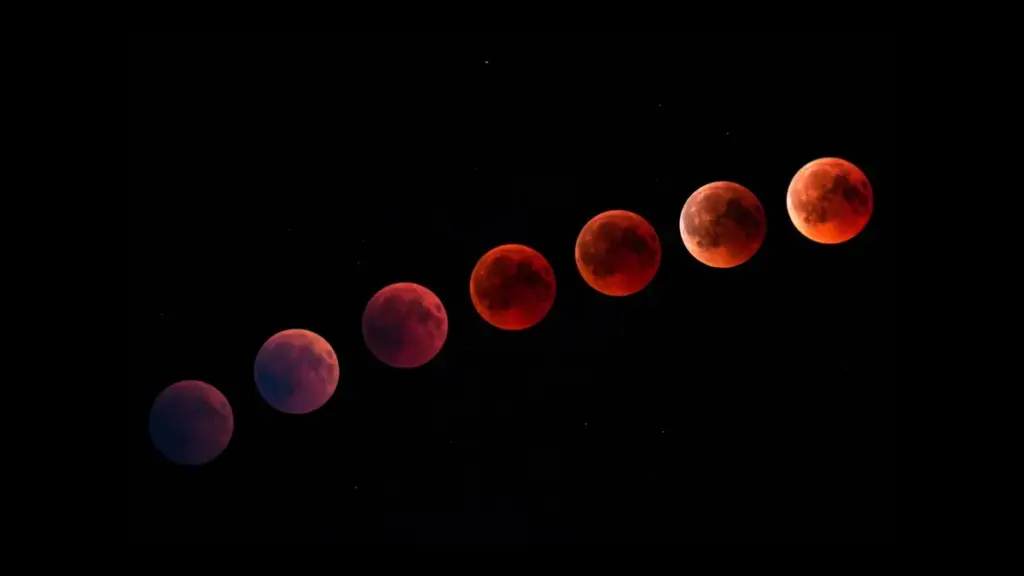
A total lunar eclipse, commonly referred to as a blood moon eclipse, is set to occur on March 3, 2026. This celestial event will be visible across North America, marking the first lunar eclipse of the year. The eclipse will begin at approximately 4:00 a.m. EST, reaching its peak at 6:33 a.m. EST, and concluding around 7:00 a.m. EST, with a partial eclipse lasting until 9:00 a.m. EST, as reported by NASA.
Why It Matters
This blood moon eclipse is significant as it will be the last total lunar eclipse visible from anywhere on Earth until New Year’s Eve 2028-2029. During the event, the full “Worm Moon” will take on a darker orange hue, a phenomenon caused by sunlight bending through Earth’s atmosphere. Unlike solar eclipses, lunar eclipses are safe to observe without protective eyewear.
What’s Next
Following the blood moon eclipse, a solar eclipse is scheduled for August 12, 2026, with its path of totality extending from Greenland to Spain. Enthusiasts are encouraged to prepare for the lunar eclipse by utilizing smartphone apps to identify celestial bodies, including Jupiter and prominent winter constellations, during the event.