Introduction
The topic of fighter jets in Canada has gained significant relevance, especially in light of recent geopolitical tensions and security concerns. Canada, as a member of NATO and an ally of the United States, is continuously evaluating its defense capabilities. The modernization and procurement of fighter jets is crucial for maintaining national sovereignty and contributing to international peacekeeping efforts.
Current Developments
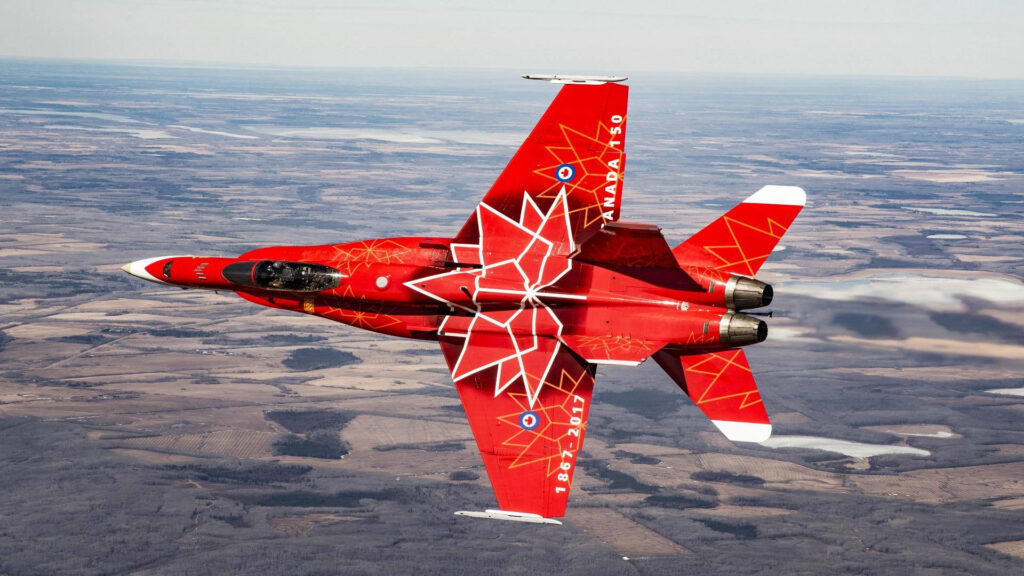
As of 2023, Canada is in the process of replacing its aging fleet of CF-18 Hornets with state-of-the-art fighters. The government has shortlisted the Lockheed Martin F-35 Lightning II, the Boeing Super Hornet, and the Saab Gripen as potential candidates for the new multi-role combat aircraft. The decision is critical, as the country aims to have a modern fleet that can effectively respond to both domestic and international threats.
In November 2022, the Canadian government announced the formation of a procurement strategy to expedite the selection process for the new jets, aiming for full operational capability by 2025. This announcement came alongside commitments to enhance training and maintenance support as part of the larger defense strategy.
Geopolitical Context
Recent events, such as heightened tensions in Eastern Europe and an assertive stance from Russia and China, underscore the importance of a robust air defense system for Canada. The need for effective aerial capabilities is not only a question of national security but also a response to potential threats from adversaries.
Additionally, Canada’s strategic partnership with NATO allies plays a significant role in determining the scale and scope of its fighter jet capabilities. Participation in joint exercises and missions will require a versatile and technologically advanced fleet to remain aligned with allied operations.
Conclusion
The selection and acquisition of new fighter jets will have lasting implications for Canada’s military readiness. As the nation navigates an evolving defense landscape, the importance of integrating advanced technology, enhancing pilot training, and maintaining operational effectiveness remains paramount. Moving forward, Canadians will be watching closely as decisions are made regarding the future of their air force capabilities, which are vital for ensuring national security and contributing to global peace initiatives.