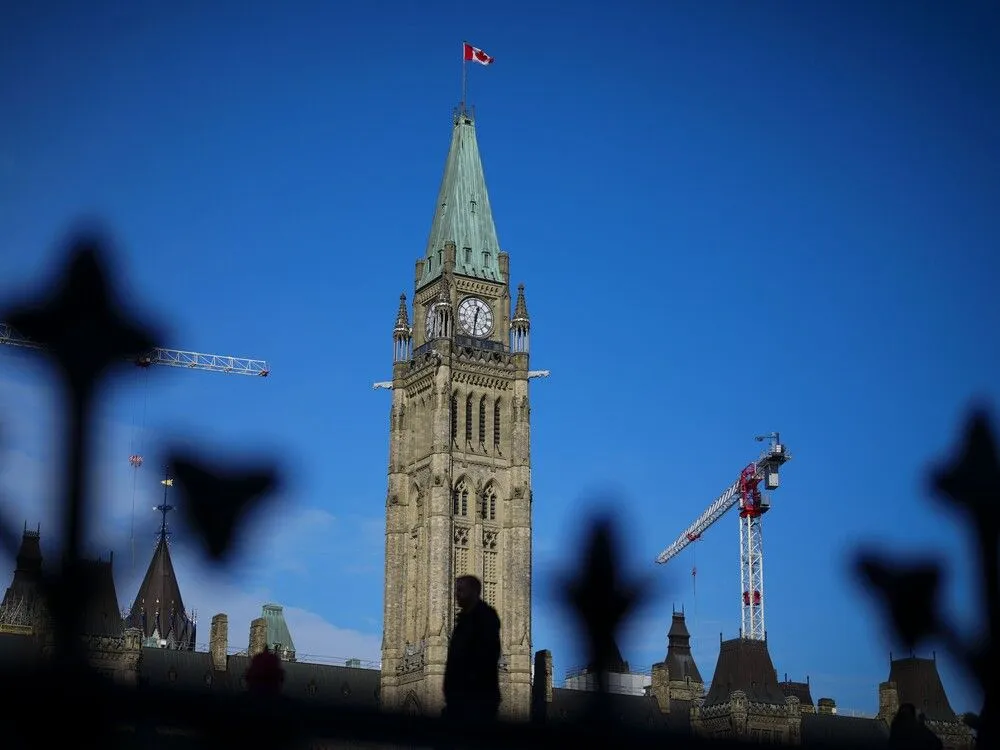
The Treasury Board’s recent wage proposal has left many public service workers feeling frustrated. On April 29, 2026, the Public Service Alliance of Canada (PSAC) wrapped up a three-day mediation session with the Treasury Board. Workers are voicing their concerns that the proposed increases do not adequately address the rising cost of living.
The Treasury Board has suggested a wage increase of 2.0% for 2025, followed by 0.5% annual increases from 2026 to 2028. In stark contrast, PSAC previously requested an economic increase of 4.75% annually, reflecting their concerns over inflation and living expenses.
Private sector wage settlements have averaged around 4.4% in 2024, 3.9% in 2025, and 4.2% in 2026. These figures highlight a significant gap between what public service workers are being offered and what is happening in the broader economy.
On April 29, thousands of PSAC members donned black clothing as a show of solidarity during demonstrations against the Treasury Board’s offer. The Union of Taxation Employees plans to ask its members to wear red and black on May 5, signaling their unity in this struggle.
The negotiations have dragged on for eight months without meaningful progress—many union members feel that this proposal not only undervalues their contributions but also diminishes the essential public services they provide across the nation.
The union expressed that patience is wearing thin and emphasized that it is time to push for better wages and improved working conditions. They believe that the length of time taken to receive a wage offer suggests a lack of commitment from the Treasury Board.
This situation underscores a broader issue: the historical alignment of wages with inflation in the public sector appears to be faltering. As costs continue to rise, public service workers are increasingly concerned about their financial stability.
The next steps remain uncertain as both sides prepare for further discussions. With no clear timeline shared for resolution, many are left wondering how this will unfold in the coming weeks.