Introduction
The recent death sentence handed down to a Canadian citizen in China has raised significant concerns regarding human rights and diplomatic relations between the two countries. As tensions between Canada and China have been ongoing, this troubling development draws attention to the complexities involved in international law and the ethical implications of capital punishment.
The Case
The sentencing of Robert Schellenberg, a Canadian national, has stirred international outrage after he received a death sentence for drug trafficking in November 2020. Schellenberg’s case has been viewed not just as a legal issue but as a reflection of the deteriorating diplomatic relations following the arrest of Huawei executive Meng Wanzhou in Canada a year earlier.
China has been criticized for its judicial system, accused of lacking transparency and adherence to international human rights standards. Schellenberg’s appeal has not been successful, and amidst the growing scrutiny, Canadian officials continue to express their concerns for his welfare and due process.
Response from Canada
In light of the death sentence, Canadian authorities have mobilized a contingency of diplomatic efforts. Prime Minister Justin Trudeau has condemned the ruling, framing it as unfair and a means of using the legal system as a tool for political leverage. The Canadian government has emphasized that it will continue to advocate for Schellenberg’s rights and explore all available options to secure his release.
International Reactions
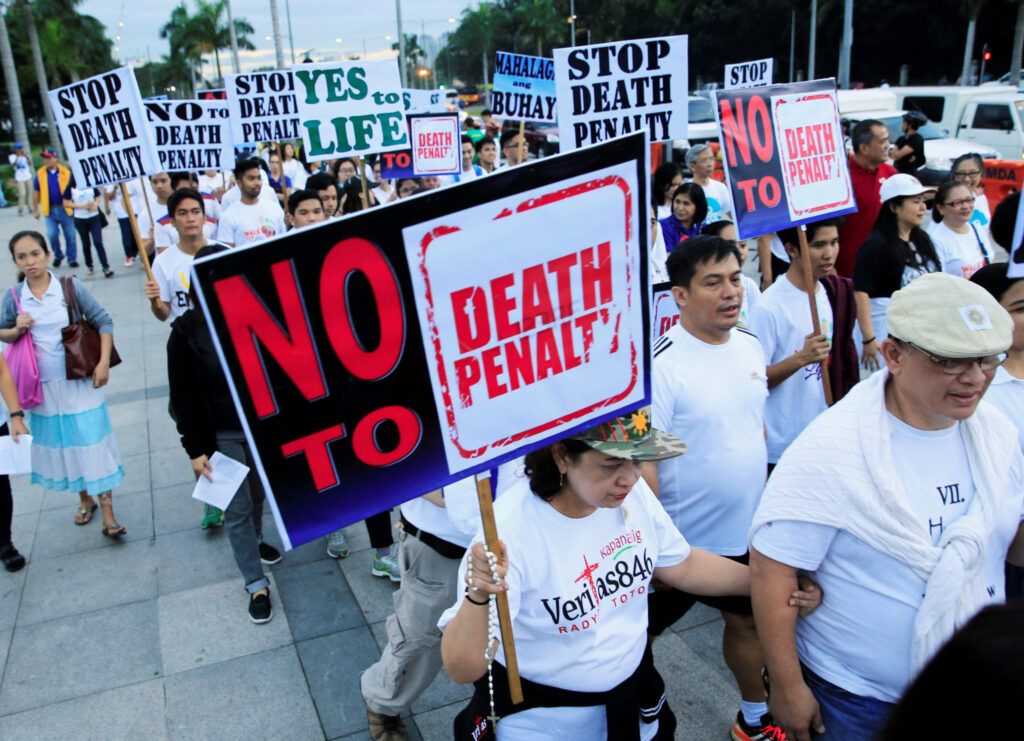
The global community has been quick to react as well. Human rights organizations have condemned the death penalty in Schellenberg’s case, labeling it as a violation of universal human rights. Various countries have urged China to reconsider its stance on capital punishment, particularly in cases involving foreign nationals, where the principles of justice and fairness are sometimes compromised.
Conclusion
The case of the Canadian death sentence in China encapsulates the broader issues of human rights, justice, and international relations. As Canada works to address this grave situation, it also faces a challenging diplomatic landscape. Moving forward, it remains crucial for both nations to engage in dialogue to promote understanding and human rights protections. With ongoing developments, Canadians are encouraged to stay informed about the situation as it unfolds and reflect on the implications for international diplomacy and human rights advocacy.