Introduction
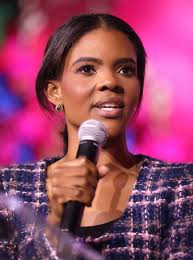
Candace Owens has emerged as a significant figure in contemporary political discourse, particularly within conservative circles. Her outspoken views on race, feminism, and social issues have made her both a polarizing and influential voice, particularly among younger conservatives. As political tensions in Canada and the U.S. continue to grow, understanding her stance and impact is more relevant than ever.
Background and Rise to Prominence
Candace Owens, born on April 29, 1989, in Stamford, Connecticut, began her career as a political activist and social media personality. She gained widespread recognition in 2016 with her viral videos critiquing the Black Lives Matter movement and advocating for conservative policies. After becoming the communications director for Turning Points USA, Owens transitioned into a widely recognized speaker on college campuses and beyond, promoting messages that challenge prevailing liberal narratives.
Key Themes in Her Work
Owens often tackles themes of identity politics, victimhood, and personal responsibility. Her 2018 book, “Blackout: How Black America Can Make Its Second Escape from the Democrat Plantation,” emphasizes her belief that the Democratic Party takes African American votes for granted and argues for conservatism as a path to empowerment. Owens’ rhetoric is characterized by a blend of personal anecdotes and statistics, aiming to inspire a sense of agency among her followers.
Public Perception and Controversy
Owens’ outspoken nature has garnered both strong support and fierce criticism. Supporters laud her for challenging the status quo, while detractors accuse her of perpetuating harmful stereotypes and dismissing systemic racism. Her recent appearances on platforms like Fox News and various speaking engagements have sparked further debate about her role as a conservative influencer. In Canada, her discussions around identity politics resonate within the broader context of multiculturalism and its challenges in North American society.
Conclusion
Candace Owens is not just a media personality; she represents a significant shift within political conversations, especially among younger audiences. As debates surrounding race, identity, and politics continue to evolve, her influence is likely to expand. Understanding her views and the responses they evoke is essential for anyone engaged in contemporary political discourse. As media narratives change, figures like Owens challenge the definitions of identity and ideology, prompting vital discussions about the future of conservatism and activism in North America.