Introduction: The Importance of Understanding Prince’s Influence
Prince, the multifaceted musician and cultural icon, continues to have a profound influence on the music industry and popular culture. Born Prince Rogers Nelson on June 7, 1958, he rose to fame in the late 1970s and quickly became celebrated for his eclectic work that bridged genres like funk, rock, R&B, and pop. His legacy is steadfastly relevant today, with new generations discovering his music and artistry, highlighting the need to comprehend his contributions.
Prince’s Musical Journey
Prince’s career took off with the release of his album ‘For You’ in 1978, but it was his 1984 album ‘Purple Rain’ that catapulted him to superstardom. This album not only featured hits like “When Doves Cry” and “Let’s Go Crazy,” but it also underscored his prowess as a musician, performer, and songwriter. His innovative music videos and electrifying stage performances set new standards in the industry.
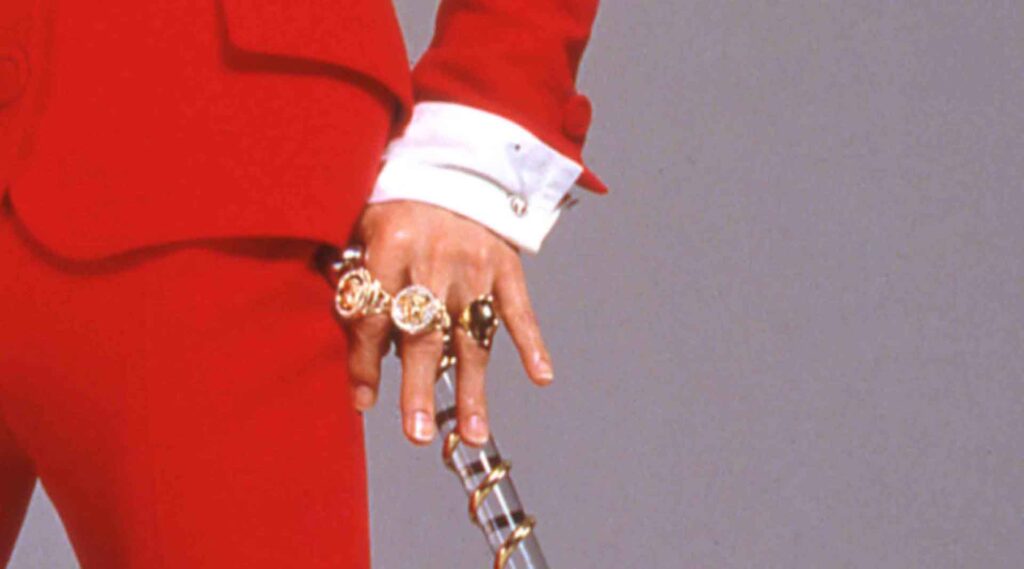
Besides being a stellar performer, Prince was also a prolific songwriter, penning hits for other artists. His unique approach to music production and his bold fashion choices—adorned in androgynous outfits—challenged social norms and promoted a message of individuality and self-expression.
The Cultural Impact of Prince
Prince’s influence extended beyond music. He was an advocate for artists’ rights and famously battled with major record labels over control of his work. His decision to change his name to an unpronounceable symbol in the 1990s was a protest against the constraints imposed by the music industry, showcasing his commitment to artistic freedom.
After his untimely passing in April 2016, the world witnessed an outpouring of tributes acknowledging the impact he had on countless musicians, from Beyoncé to the Weeknd. His music continues to inspire new artists, and his unreleased catalog, managed by estate executors, keeps raising the bar for what fans can expect.
Conclusion: The Legacy of Prince Lives On
As we remember Prince, it’s crucial to recognize his lasting impact on music, culture, and the fight for artistic freedom. His boundary-pushing creativity not only shaped the sound of a generation but also paved the way for future musicians to embrace their true identities. With tributes and fan gatherings continuing to highlight his influence, Prince’s legacy remains vibrant in the cultural landscape. The question now is: how will future generations carry forward the torch that he lit?