Introduction
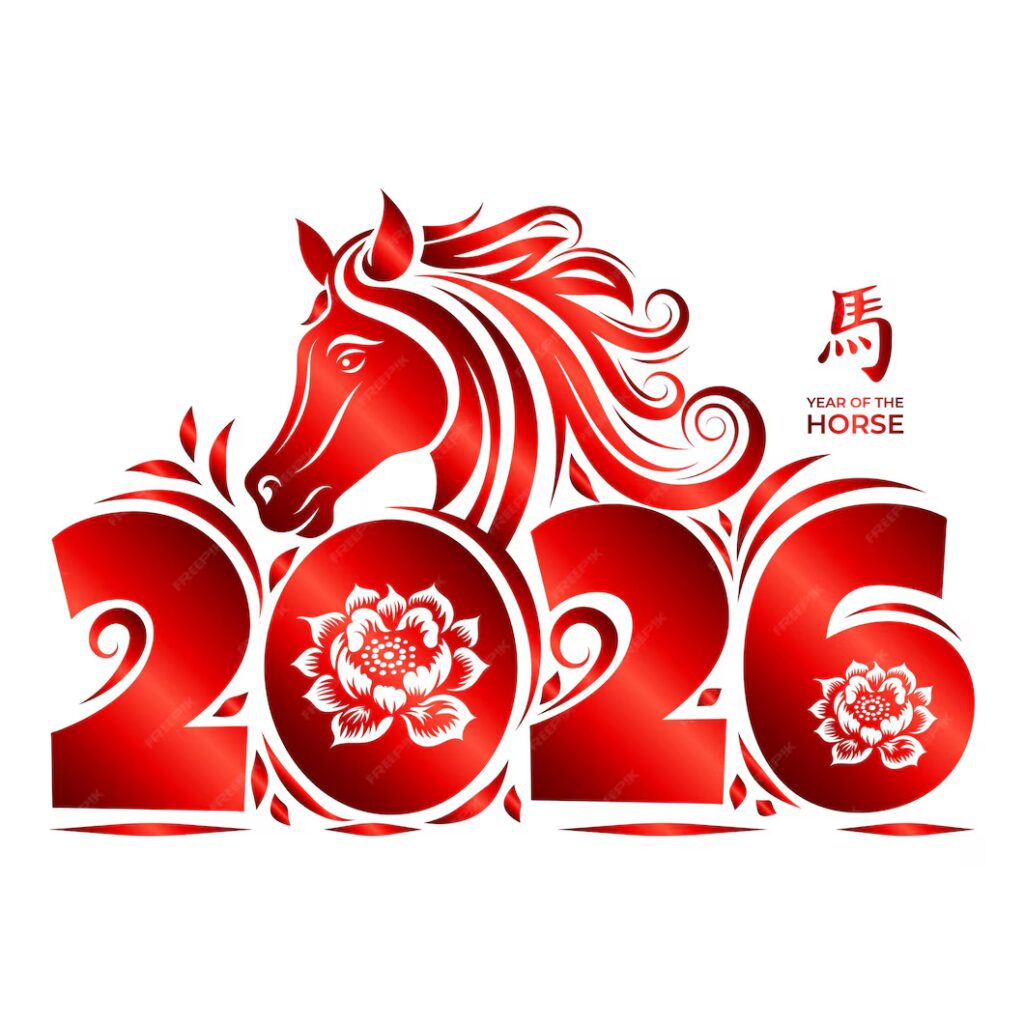
Chinese New Year, also known as Lunar New Year or Spring Festival, is one of the most important cultural celebrations in China and among Chinese communities worldwide. In 2026, the festival will commence on February 17, ushering in the Year of the Fire Horse. This year holds particular significance, as the Horse is often associated with attributes of dynamism, freedom, and a sense of adventure.
Celebration Traditions
Celebrations for Chinese New Year involve a variety of traditions that have been passed down through generations. Families typically engage in thorough cleaning of their homes to sweep away bad luck and make way for incoming good fortune. Red decorations, representing prosperity and happiness, adorn homes and public spaces. Traditional foods, such as dumplings and rice cakes, are prepared to symbolize wealth and unity.
Global Observance
In 2026, festivities are expected to take place not only in China but also in a multitude of countries—including Canada—where significant Chinese populations reside. Major cities like Vancouver, Toronto, and Calgary always host vibrant parades featuring lion dances, dragon displays, and firework shows that captivate crowds of all backgrounds.
Economic Impact
The economic implications of the Chinese New Year are also noteworthy. Many businesses see a rush in sales as families invest in gifts, new outfits, and festive foods. Additionally, global travel spikes as families become eager to return home for the celebrations. This year’s festivities are anticipated to further stimulate the economy as consumers actively participate in the vibrant culture.
Conclusion
As the Year of the Fire Horse approaches in 2026, the global anticipation for Chinese New Year continues to grow. The festival not only serves to celebrate tradition and heritage, but it also promotes unity within families and communities. For readers, it presents an opportunity to engage with diverse cultures and participate in the joy of the festivities, fostering a deeper understanding and appreciation for the richly woven tapestry of Chinese customs.