Reaction from the field
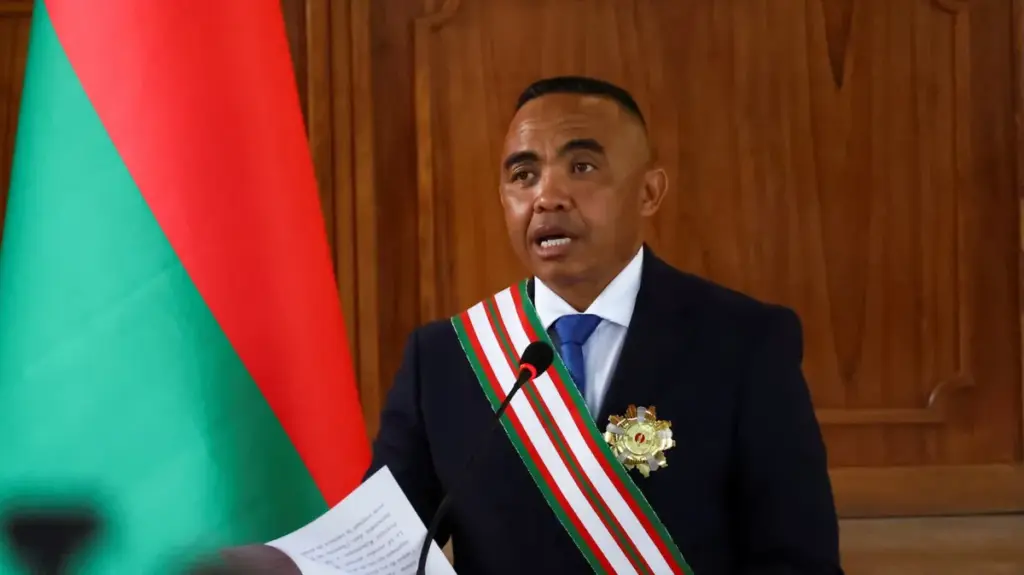
The recent coup in Madagascar has sent shockwaves through the nation, as Colonel Michael Randrianirina assumed control on October 12, 2025. The immediate impact of this political upheaval has raised concerns among citizens and international observers alike, particularly regarding the future of democratic governance in the country. With promises to restore civilian rule within 18 to 24 months, the stakes are high for both the new leadership and the populace.
The coup was not an isolated incident but rather the culmination of weeks of service delivery demonstrations led by Gen Z protesters, who were voicing their frustrations over the government’s failure to meet basic needs. Their protests, which highlighted the discontent among the youth, ultimately paved the way for Randrianirina’s rise to power. In a decisive move, the High Constitutional Court declared the presidency vacant, allowing Randrianirina to take control.
In a departure from past practices, the Southern African Development Community (SADC) chose not to suspend Madagascar following the coup, contrasting sharply with their actions in 2009 when a previous coup led to the country’s suspension. This decision has placed a special responsibility on the SADC to closely monitor Randrianirina’s adherence to the agreed roadmap for a return to civilian governance. Meanwhile, the African Union (AU) has suspended Madagascar due to the unconstitutional change of government, raising questions about the legitimacy of the new regime.
Randrianirina, who previously played a role in the 2009 coup, has promised to oversee a transition that includes presidential elections planned for 2027. However, his unilateral actions in appointing government officials have sparked concerns among the very protesters who initially supported him. Political scientists have described this transfer of power as a “coupvolution,” a term that reflects the complex nature of the situation and the potential for both progress and regression.
As the international community watches closely, the dialogue process to restore civilian rule is expected to be inclusive, a sentiment echoed by both the SADC and the AU Peace and Security Council. However, skepticism remains regarding Randrianirina’s commitment to this process. Observers note that previous military juntas in the region have often promised a return to elections and civilian rule, only to miss their own deadlines.
Details remain unconfirmed about the specific actions the SADC will take if Randrianirina fails to adhere to the roadmap. The situation remains fluid, and the future of Madagascar hangs in the balance as citizens grapple with the implications of this coup. Protesters have expressed feelings of ‘buyer’s remorse’ over Randrianirina’s unilateral government appointments, highlighting the fragile trust between the new leadership and the populace.
As Madagascar navigates this tumultuous period, the eyes of the world remain fixed on the island nation. Will Randrianirina meet the promised deadlines for restoring civilian rule, or will the cycle of military governance continue? The coming months will be critical in determining the path forward for Madagascar, as both local and international stakeholders seek to ensure a return to democracy.