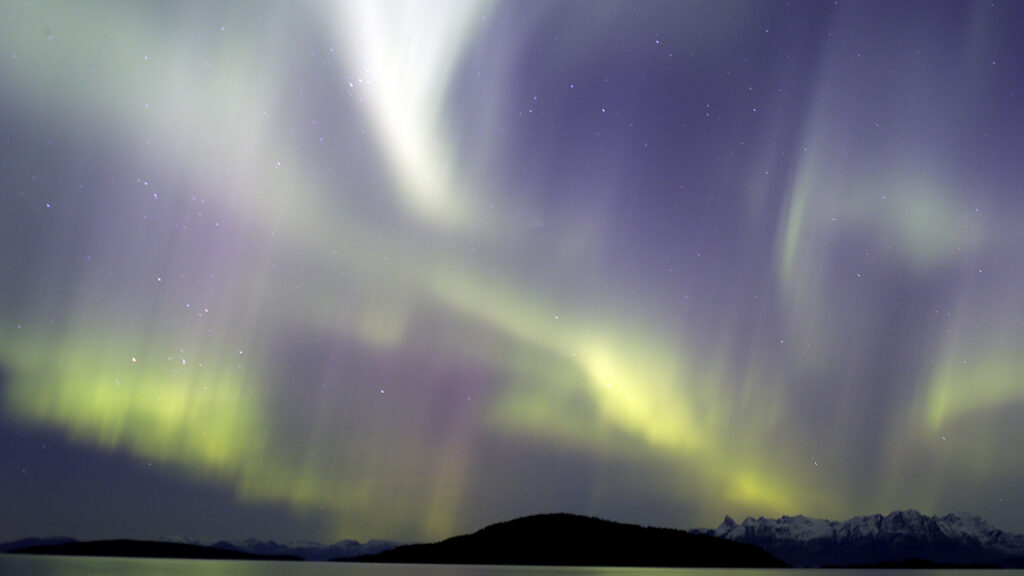
The Fascination with the Northern Lights
The aurora borealis, commonly known as the northern lights, is a mesmerizing natural phenomenon that captivates observers across the Northern Hemisphere. With vivid greens, pinks, and purples dancing across the night sky, the aurora is not only a subject of scientific interest but also a matter of cultural significance for many Indigenous peoples.
Forecast Overview
As of October 2023, experts are predicting a particularly active season for the northern lights due to elevated solar activity. Solar flares and coronal mass ejections (CMEs) from the sun play a crucial role in creating the conditions necessary for auroras. Specifically, the NOAA’s Space Weather Prediction Center has reported an increase in solar wind speeds, which means the chances of witnessing the aurora borealis are higher than normal this fall.
Optimal Viewing Conditions
To maximize your chances of seeing the northern lights, it’s essential to find a location with minimal light pollution, such as national parks or rural areas. The best viewing times are usually between 10 PM and 2 AM, and clear, dark nights free from the moon’s glare increase visibility. Additionally, regions in Canada, Alaska, and northern Scandinavia are prime locations for aurora sightings.
Recent Activity
In recent weeks, reports from various parts of Canada, particularly in places like Yellowknife and Whitehorse, indicate several stunning displays of the aurora. These occurrences have been attributed to heightened solar activity, which is expected to continue. Several local tour companies are reporting increased bookings for aurora viewing packages, illustrating the growing interest.
Conclusion: The Importance of Monitoring Solar Activity
As the season progresses, enthusiasts and scientists alike stress the importance of keeping an eye on solar activity forecasts. Websites and mobile applications providing live updates and alerts can inform viewers of potential aurora displays. Understanding the science behind the northern lights and staying updated with forecasts not only enhances viewing experiences but also fosters a deeper appreciation for this spectacular phenomenon.