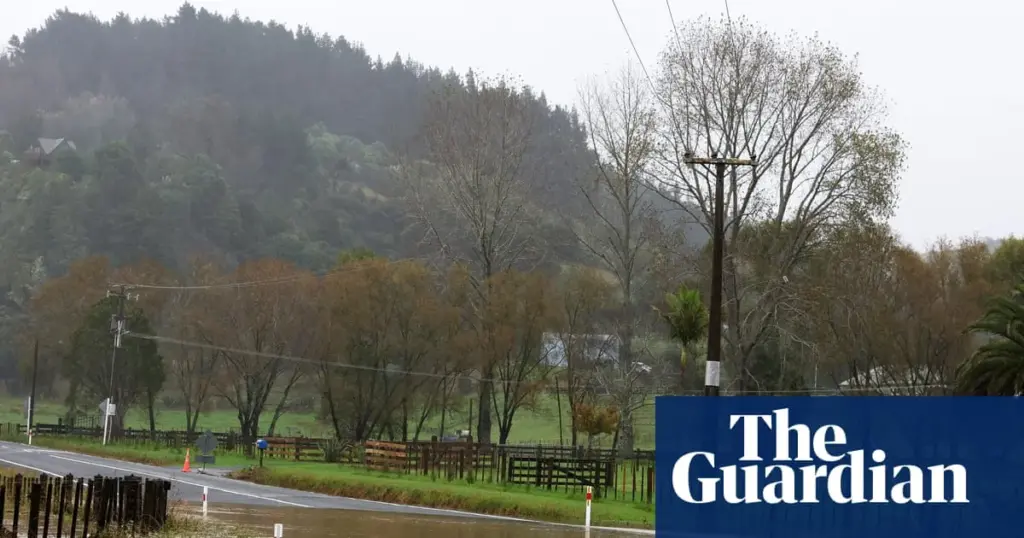
Cyclone Vaianu has made landfall in New Zealand’s North Island on April 12, 2026, triggering floods and power outages across the region. The cyclone crossed the coast near the Maketu peninsula, packing winds exceeding 130 km/h (80 mph), and has already caused significant disruption.
In response to the severe weather, authorities have placed several regions under emergency declarations and issued ‘red’ level wind warnings. Hundreds of residents have been forced to evacuate their homes, particularly in the coastal Whakatane District, where mandatory evacuations were carried out at 270 properties.
As the storm progressed, it knocked out electricity to approximately 5,000 homes, with areas like Wairoa and Gisborne particularly affected, leaving 870 and 440 homes without power, respectively. MetService reported wind gusts of 130 km/h and 24-hour rainfall totals exceeding 100 mm in Whangarei.
Air New Zealand has cancelled more than 90 turboprop flights due to the cyclone, further complicating travel plans for many. Fire and Emergency New Zealand responded to over 100 calls for assistance related to wind damage and flooding, highlighting the immediate impact of the storm on local communities.
Mark Mitchell, a local official, noted, “It’s moved more to the fringes and more to the east, which means that we haven’t quite seen the intensity that we had prepared for or that we thought we were going to get hit with. So that is good news.” However, he cautioned that the most concerning time would be from 2 PM onwards, when high tides combined with large swells could exacerbate the situation.
Heather Keats, another official, stated, “Things do improve from tonight and tomorrow, but at the moment this is still a life-threatening weather system.” Residents are urged to remain vigilant and heed evacuation orders as conditions remain hazardous.
As Cyclone Vaianu tracks southeast away from the mainland, it is expected to cause coastal inundation due to high tides and large swells. The cyclone has drawn comparisons to Cyclone Gabrielle, which devastated the region in 2023, killing 11 people and displacing thousands.
Community leaders are emphasizing the importance of safety, with John Price urging residents to “Act now and not later – later may be too late!” As the cyclone continues to move down the North Island, officials are closely monitoring the situation and preparing for potential further impacts.