Key moments
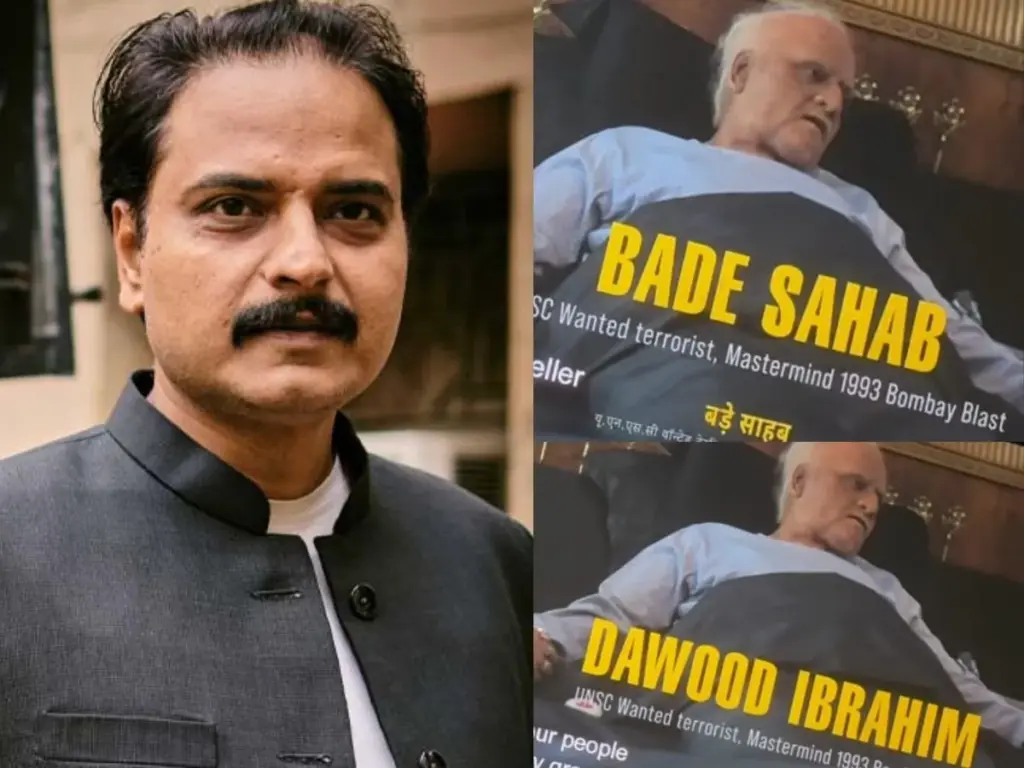
In a surprising twist, Dawood Ibrahim, one of India’s most wanted terrorists, is featured as the main antagonist ‘Bade Sahab’ in the film Dhurandhar 2. This revelation has generated considerable buzz among audiences and critics alike, as the character is believed to draw strong inspiration from Ibrahim himself.
The film, which has recently hit theaters, showcases Danish Iqbal in the role of ‘Bade Sahab’. Many viewers have expressed their astonishment at the bold decision to cast Iqbal, rather than a mainstream superstar, in such a pivotal role. The suspense surrounding the character’s identity has captivated audiences, leading to discussions about the implications of portraying a figure like Ibrahim in popular media.
Dawood Ibrahim is currently believed to be sheltered in Pakistan, where he remains a significant figure in discussions around organized crime and terrorism in India. His notoriety stems from being widely regarded as the mastermind behind the 1993 Bombay blasts, a tragic event that left a lasting impact on the nation.
Recent reports indicate that Ibrahim is reportedly ailing, suffering from diabetes, gangrene, and possible poisoning. However, details remain unconfirmed, leaving many to speculate about his current health status and its potential implications for law enforcement efforts to apprehend him.
In a related development, Ibrahim’s ancestral lands in Mumbake village, Ratnagiri district, were recently sold after four failed auction attempts. The properties were auctioned by the central government on March 5, 2026, with the highest bid for one of the plots exceeding ₹10 lakh. The other three plots were sold at their respective reserve prices of ₹2.33 lakh, ₹8.08 lakh, and ₹15,440.
The decision to auction these properties follows a history of unsuccessful attempts due to a lack of bidders and fears of connections to Ibrahim. The buyer is expected to make full payment by early April 2026, pending final approval. This development highlights the ongoing efforts to dismantle Ibrahim’s legacy and the financial networks associated with him.
As the film continues to draw audiences, early reactions suggest that the portrayal of ‘Bade Sahab’ has sparked a renewed interest in Ibrahim’s life and criminal activities. The filmmakers’ choice to weave a narrative around such a controversial figure raises questions about the responsibilities of cinema in depicting real-life events and individuals.
In summary, the connection between Dawood Ibrahim and the character ‘Bade Sahab’ in Dhurandhar 2 has ignited discussions about the impact of organized crime on society and the role of media in shaping public perception. As viewers engage with this narrative, the complexities surrounding Ibrahim’s life and legacy continue to unfold.