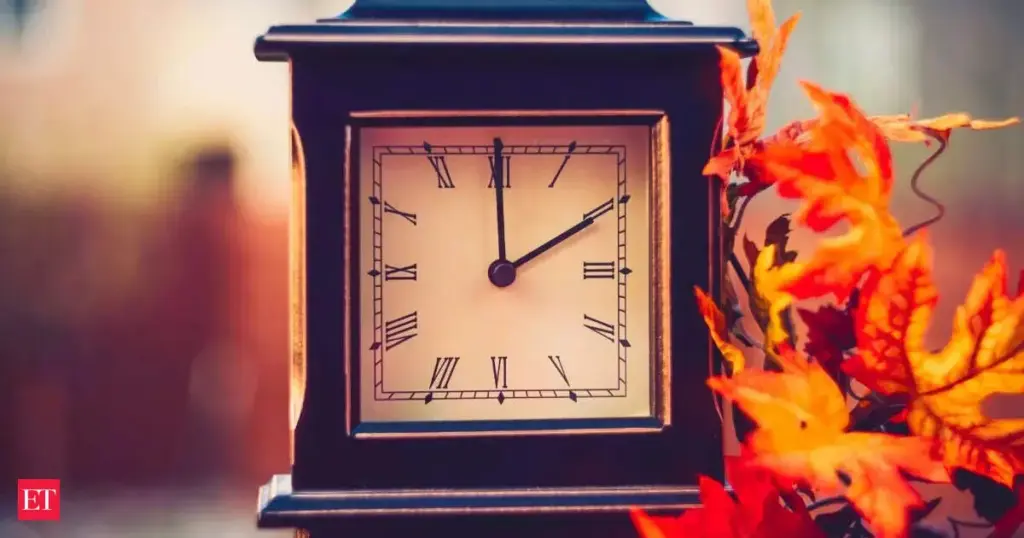
Daylight Saving Time Begins
On March 8, 2026, at 2 a.m. local time, Daylight Saving Time officially commenced across the United States. This annual event marks the moment when clocks are set forward by one hour, resulting in a loss of sleep for many Americans as they adjust to the new time.
Impact of the Time Change
As the clocks advanced from 2 a.m. to 3 a.m., individuals across the country experienced a shift in their daily routines. The transition is particularly notable for those who rely on precise timing for work, school, and other commitments. The change means that most Americans effectively lost one hour of sleep, a factor that can influence productivity and well-being in the days following the adjustment.
Daylight Saving Time has been a tradition in the United States since it was first adopted in 1918, originally intended to conserve fuel during World War I. Over the years, the practice has evolved, with the current schedule established on the second Sunday of March since 2007. This yearly ritual of ‘springing forward’ is designed to maximize the use of natural daylight during the warmer months.
Sunrise and Sunset Changes
In Boston, for instance, the sunrise occurred at 6:09 a.m. before the time change, while after the clocks moved forward, it will rise at 7:08 a.m. Similarly, the sunset shifted from 5:41 p.m. to 6:42 p.m. These changes in daylight hours can have significant effects on daily activities, leisure time, and overall mood.
States That Do Not Observe
It is important to note that not all states participate in Daylight Saving Time. Hawaii and Arizona are the two states that do not observe this time change, although there are exceptions for the Navajo Nation in Arizona. This discrepancy can lead to confusion for travelers and residents alike as they navigate time zones.
Future Observations
Daylight Saving Time will be observed for a total of 238 days in 2026, concluding on November 1, when most Americans will revert to standard time at 2 a.m. local time. This transition back to standard time is another adjustment that many will need to prepare for later in the year.
The annual ritual of having the clocks ‘spring forward’ an hour ahead takes place on the second Sunday of March, and this year is no exception. As individuals adapt to the time change, the implications for daily life, productivity, and overall well-being will continue to unfold in the coming days.