Introduction
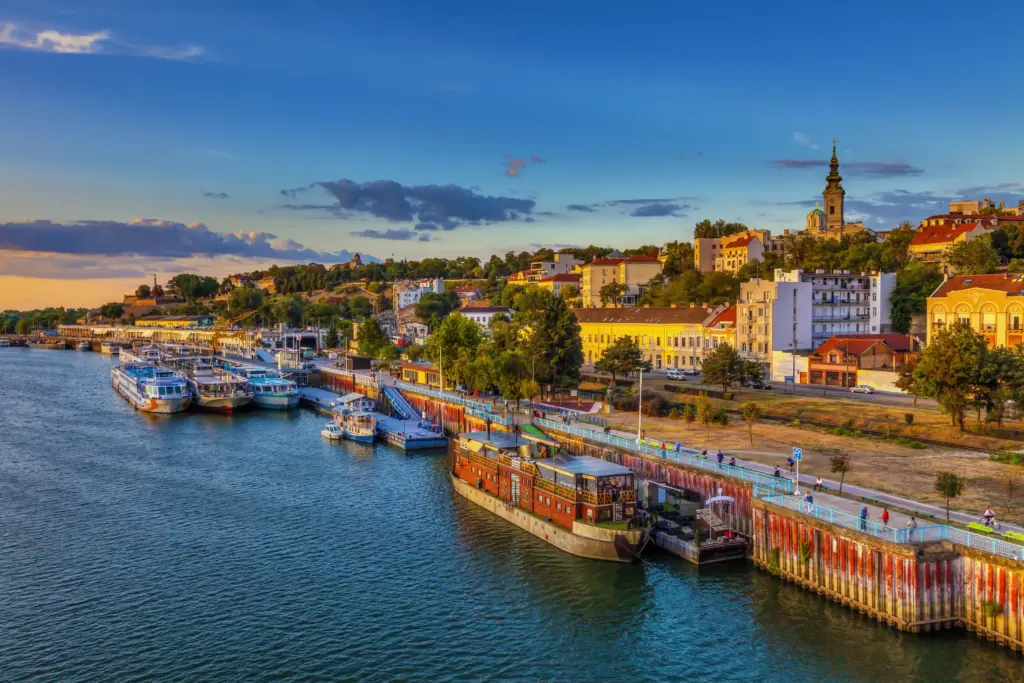
Belgrade, the capital of Serbia, stands as a vibrant testament to history, culture, and resilience in the Balkans. With a rich tapestry of influences from the Roman, Ottoman, and Austro-Hungarian empires, Belgrade is not just an important city for Serbia, but a key player in Southeast Europe. As the region continues to grow and evolve, its capital is quickly becoming a focal point for tourism, business, and cultural exchange.
A Glimpse into Belgrade’s History
Belgrade’s history stretches back over 7,000 years, making it one of the oldest continuously inhabited cities in Europe. Historically referred to as Singidunum, it has seen numerous conquerors and has undergone significant changes throughout its existence. The city witnessed critical events such as the Balkan Wars and both World Wars, shaping its modern-day identity.
Modern Belgrade: Cultural Hub
Today, Belgrade is a city of contrasts, blending its historical roots with modern developments. The recent revitalization of urban areas, particularly along the Sava River, has attracted international attention. Historic landmarks such as the Kalemegdan Fortress, the Church of Saint Sava, and the bohemian quarter of Skadarlija coexist with bustling nightlife in the city’s numerous cafes and clubs. Events such as the Belgrade Beer Fest and the BITEF theatre festival provide platforms to showcase both local talent and international acts.
Economic Developments and Growth
The city has also seen substantial economic growth in recent years, aided by foreign investment and the diversification of its economy. The tech startup scene has flourished, positioning Belgrade as a hub for innovation in the region. According to the National Bank of Serbia, foreign direct investment in Belgrade alone increased by approximately 30% in 2022, indicating a promising economic outlook.
Conclusion
As Belgrade continues to reinvent itself, it maintains its unique charm and historical significance as a cultural and economic center. The city’s ability to blend past with present makes it a unique destination for tourists and business alike. Moreover, with ongoing infrastructure improvements such as the new metro system projected to begin construction soon, the future of Belgrade looks bright. For readers interested in exploring a city that offers a rich history, a vibrant culture, and a forward-looking economy, Belgrade is an essential destination.