Introduction
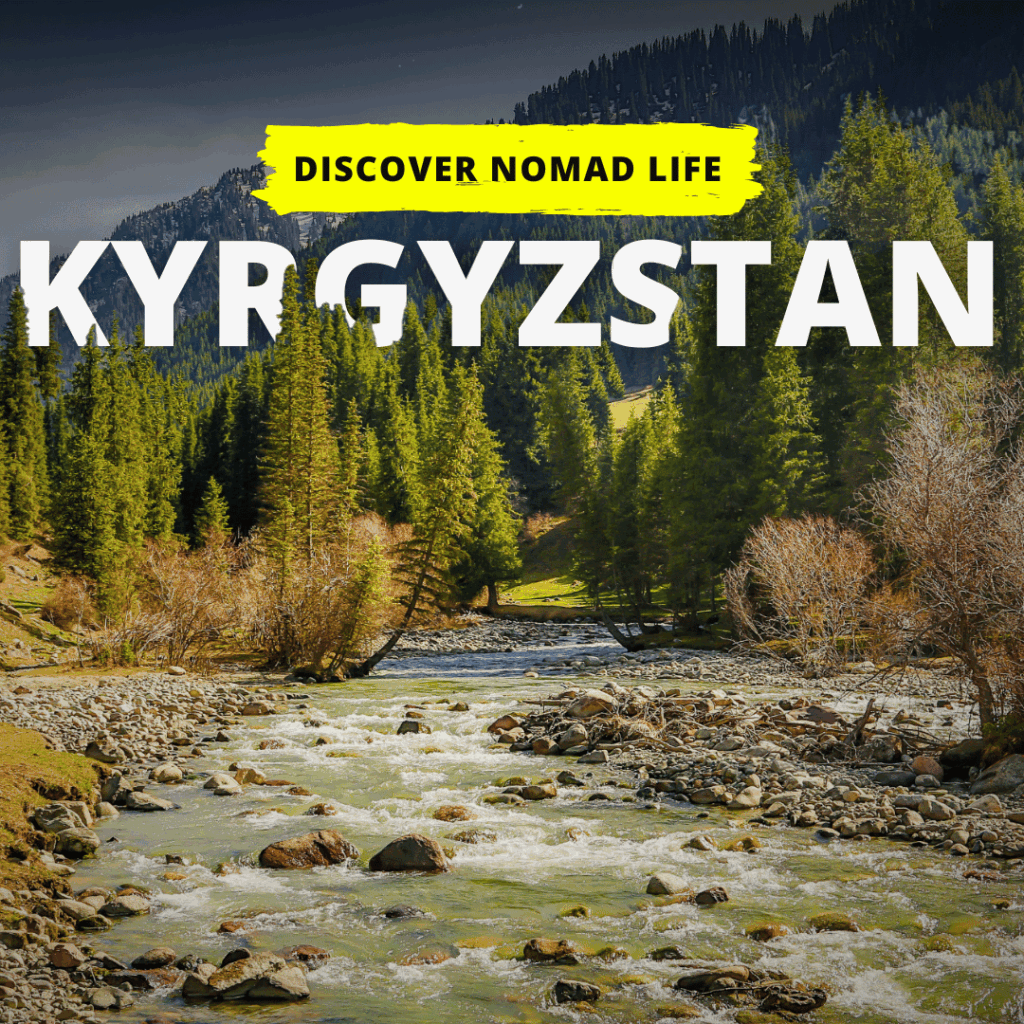
Kyrgyzstan, a picturesque republic nestled in the heart of Central Asia, has increasingly become a focal point for geopolitics, tourism, and cultural exchange. With its stunning landscapes, rich history, and vibrant traditions, Kyrgyzstan offers not just breathtaking views but also a glimpse into the interplay of cultures and politics in the region. Understanding Kyrgyzstan’s significance has never been more relevant, especially as international interests converge in Central Asia.
The Current Landscape
As of late 2023, Kyrgyzstan is experiencing a period of political stability following several years of turbulence. The recent presidential elections held in November 2023 were pivotal, as they saw the emergence of new leadership committed to economic reform and strengthening ties with neighboring countries. President Sadyr Japarov, elected amid a wave of public support, has articulated an agenda focusing on infrastructural development and anti-corruption measures, with an emphasis on sustainable tourism and increased foreign investment.
The strategic geopolitical location of Kyrgyzstan, bordered by China, Kazakhstan, and Uzbekistan, positions it as a critical player in the Belt and Road Initiative, enhancing its appeal for foreign investors looking to tap into Central Asia’s growing markets.
Cultural Richness
Kyrgyzstan is renowned for its rich nomadic heritage, and this is reflected in its cultural festivals, music, and traditional sports such as horseback riding. Festivals like the World Nomad Games have garnered international attention, attracting visitors from around the globe. Additionally, the UNESCO-listed Epic of Manas is a cornerstone of Kyrgyz cultural identity, and efforts are being made to promote this legacy among younger generations.
Challenges and Opportunities
Despite its scenic beauty and cultural wealth, Kyrgyzstan faces challenges, including economic reliance on remittances, environmental issues, and the need for political reform. The government is actively pursuing policies to diversify its economy, reduce its dependency on external remittances, and harness its pristine environment for eco-tourism.
Conclusion
As Kyrgyzstan stands at a crossroads of opportunity and challenge, its potential as a regional leader in Central Asia is becoming clearer. With a focus on political stability, economic reform, and cultural preservation, Kyrgyzstan is poised for a promising future. For readers, understanding the developments in Kyrgyzstan is not only essential for those interested in travel and culture but also for those looking to comprehend the broader geopolitical dynamics of Central Asia. The country’s journey towards modernization, while maintaining its unique heritage, will be a story worth following as it continues to evolve and define its place in the world.