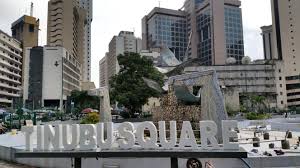
Introduction
Lagos is not just the most populous city in Nigeria; it is also a significant cultural and economic hub in West Africa. With a population of over 14 million people, Lagos has become a melting pot of diverse cultures, industries, and lifestyles. The city has seen rapid growth over the past few decades, largely due to its strategic location, commercial opportunities, and vibrant arts scene. Understanding Lagos is crucial, given its role in shaping Nigeria’s economy and cultural identity.
Cultural Significance of Lagos
Lagos is known for its rich cultural heritage, which is reflected in its music, art, and festivals. The city is a center for the Nigerian film industry, popularly known as Nollywood, which produces thousands of films each year. Additionally, the city’s music scene is vibrant, with genres like Afrobeat, hip-hop, and traditional African music thriving in local clubs and concert halls. Annual festivals like the Lagos Carnival and the Eyo Festival demonstrate the city’s rich traditions and attract tourists from around the world.
Economic Development
As the commercial capital of Nigeria, Lagos contributes significantly to the nation’s economy. With several major financial institutions headquartered in the city, Lagos is the economic engine of Nigeria. The Lagos Free Trade Zone, established in 2002, has attracted numerous foreign investors and businesses looking to leverage the city’s strategic location. Additionally, sectors such as technology, transportation, and real estate are rapidly expanding, making Lagos a hotspot for entrepreneurship. In 2023, Lagos’ state government launched various initiatives aimed at improving the infrastructure, such as road construction and public transportation upgrades, to accommodate the growing population and businesses.
Challenges Facing Lagos
Despite its many advantages, Lagos faces significant challenges, including traffic congestion, inadequate waste management, and housing shortages. The city’s rapid urbanization has led to the emergence of slums and a strain on public services. However, local government and private sector partnerships are actively working on sustainable solutions to these issues, including improved public transport systems and waste recycling programs.
Conclusion
In conclusion, Lagos is a dynamic city that embodies the complexities of a rapidly developing urban environment. Its cultural vibrancy and economic potential make it a focal point for innovation and growth in Nigeria. While challenges are present, the proactive measures being taken by the government and business sectors indicate that Lagos will continue to thrive. For anyone interested in the future of Africa, keeping an eye on Lagos is essential, as it will undoubtedly play a key role in shaping the continent’s destiny.