Introduction
The Eglinton Crosstown Light Rail Transit (LRT) project is a significant infrastructure initiative in Toronto, Canada, aimed at enhancing public transportation options and addressing the city’s growing traffic congestion. With an anticipated completion aimed at improving connectivity between the city’s east and west ends, the project has far-reaching implications for the city’s mobility landscape.
Project Overview
The Eglinton Crosstown LRT will span approximately 19 kilometers, connecting Mount Dennis in the west to Kennedy Station in the east. The line will feature 25 stations and provide seamless transfers to multiple subway lines, enhancing access to jobs, education, and amenities for millions of residents. With construction having commenced in 2011, the project has faced significant challenges including delays, budget changes, and unforeseen complexities found during excavation.
Current Developments
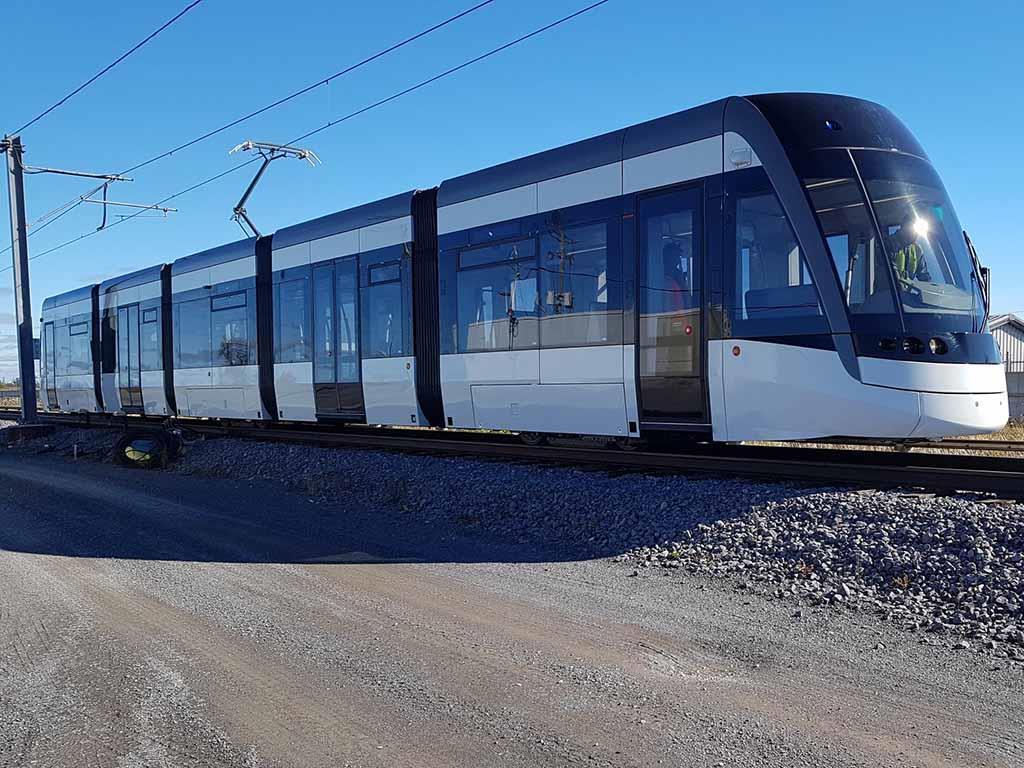
As of November 2023, the Eglinton Crosstown LRT project is in its final phases, with substantial portions of the transit line already operational. According to Metrolinx, the regional transportation agency overseeing the project, most of the major construction work is complete. Testing of the LRT trains is ongoing, and the agency aims to start passenger service by early 2024, contingent on successful completion of safety protocols and operational checks.
Furthermore, the construction has led to improved streetscapes along Eglinton Avenue, with new sidewalks, bike lanes, and green spaces being integrated into the project. Residents and local businesses have expressed both excitement and concern, voicing hopes for increased foot traffic but also air quality and noise issues during construction.
Conclusion
The Eglinton Crosstown LRT project is not just a transportation upgrade but a transformative initiative that promises to reshape the commuting experience in Toronto. As more residents rely on public transit for their daily commutes, the Crosstown LRT could alleviate some pressure from the overcrowded subway system and provide a reliable alternative for many. Looking ahead, the successful implementation of this LRT could serve as a model for future transit developments in densely populated urban areas across Canada. The launch of this service next year is not only critical for the city’s transit infrastructure but also vital for urban planning and environmental considerations as cities adapt to changing mobility needs.