Introduction
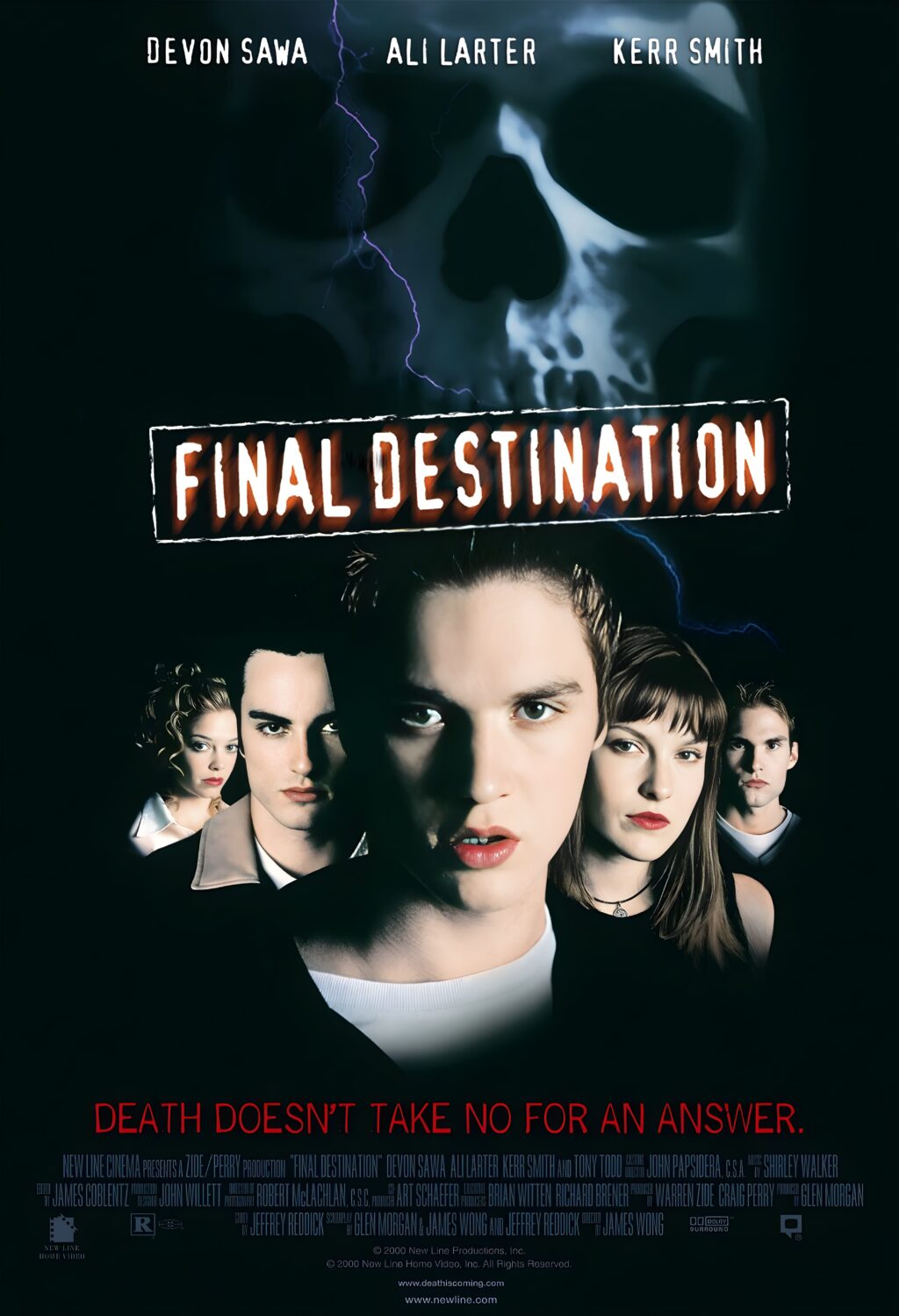
The Final Destination franchise has carved a unique niche within the horror genre since its inception in the early 2000s. With its innovative approach to the concept of death, the series has attracted both fans and critics, resonating due to its unique storytelling and relatability. The franchise’s exploration of fate and mortality provides viewers with thrilling narratives that challenge their perceptions of life and death.
The Origins of Final Destination
The first film, released in 2000, was conceptualized by Jeffrey Reddick and directed by James Wong. It introduced audiences to a suspenseful premise: a group of friends survives a catastrophic airplane explosion after one of them experiences a premonition. This life-saving event unleashes a series of fatal accidents, positioning death as an inescapable antagonist. The films combine elements of psychological horror with slasher motifs, distinguishing them from traditional horror movies.
The Evolution and Popularity of the Franchise
The franchise has expanded to five films, each depicting a similar outline of characters escaping death, only to find themselves haunted by unforeseen circumstances. The original film was followed by sequels in 2003, 2006, 2009, and the most recent installment announced for 2023. Each sequel built upon the established formula while introducing progressively elaborate death sequences that have become a hallmark of the series. The films’ financial success is evident, grossing over $600 million globally, which speaks volumes about their cultural relevance.
Significance in Popular Culture
Beyond box office numbers, Final Destination has infiltrated popular culture, inspiring a dedicated fan base and becoming a reference point in discussions on death, fate, and the consequences of one’s actions. Its memorable catchphrase, “You can’t cheat death,” has echoed through various media, reinforcing themes of inevitability. The franchise’s unique depiction of death showcases creative storytelling, merging horrific scenarios with moral lessons about the unpredictability of life.
Conclusion
The Final Destination series holds an enduring legacy in the world of horror films, not just as entertainment but as a cultural commentary on mortality and fate. As audiences await the upcoming sequel, questions arise regarding the direction the franchise will take. The anticipation suggests that the themes presented in Final Destination will continue to resonate, encouraging viewers to confront their own lifestyles and decisions. The franchise remains a testament to the idea that life can be fleeting, with the realization that sometimes death can be a final destination from which there is no return.