Introduction
Johannesburg, often referred to as Joburg or Jozi, stands as South Africa’s largest city and an economic powerhouse on the African continent. It plays a vital role, not only in the local context but also in the broader African economy. Understanding its history, cultural diversity, and current developments is essential for grasping the significance of this bustling metropolis.
The Historical Context
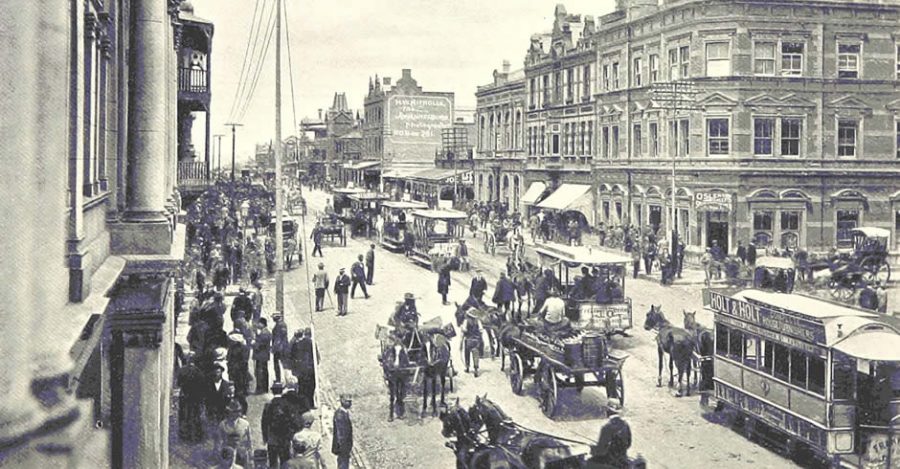
Founded in 1886 following the discovery of gold, Johannesburg rapidly transformed from a small mining camp into a vibrant urban center. The city housed a mix of cultures, leading to the development of unique neighborhoods such as Soweto and Hillbrow. Although it faced significant challenges during apartheid, Johannesburg has emerged as a symbol of resilience and progress. Its history is deeply interwoven with South Africa’s journey toward democracy in the 1990s, thanks to heroic figures like Nelson Mandela, who was imprisoned nearby.
Economic Significance
Today, Johannesburg is not only the economic hub of South Africa but also a gateway for trade and investment across Africa. It houses the Johannesburg Stock Exchange (JSE), one of the largest stock exchanges in the world. The city’s economy is diversified, including mining, manufacturing, finance, technology, and tourism. Recent efforts to boost its economic outlook include investments in infrastructure and promoting entrepreneurship, which are critical for future growth.
Cultural Diversity
Johannesburg is a melting pot, reflecting a rich tapestry of cultures and languages. With over 11 official languages spoken, it is a vibrant hub for arts and culture. The city’s museums, like the Apartheid Museum and the Cradle of Humankind, highlight its complex past. Festivals celebrating music, dance, and arts further enrich its cultural scene, drawing local and international audiences alike.
Current Developments
As of late 2023, Johannesburg is undergoing significant urban renewal projects aimed at revitalizing degraded areas and improving public spaces. Initiatives such as reintroducing green spaces, enhancing public transportation, and supporting local businesses aim to make the city more livable and economically vibrant. Additionally, attention to sustainability and smart city technologies spearheads Johannesburg’s plan for a greener future.
Conclusion
Johannesburg serves as a beacon of hope and innovation on the African continent. Its rich history and cultural fabric make it an essential stop for those looking to understand the complexities of South Africa. The ongoing development projects promise to reshape the city’s landscape, ensuring that it continues to thrive as a leading city in Africa. For readers, understanding Johannesburg is essential, not just to appreciate its beauty and diversity, but also to engage with its evolving role in the global economy.