Introduction
Slovakia, a landlocked country situated in Central Europe, is known for its picturesque landscapes, rich history, and vibrant culture. With its capital in Bratislava, Slovakia has gained international recognition not just for its natural beauty but also for its growing economy and political significance in modern Europe. Understanding Slovakia’s evolution and current position is important for both tourists and investors alike.
The Historical Context
Slovakia has a complex history, having been part of various empires and states over the centuries. After gaining independence from Czechoslovakia in 1993, the nation embarked on a path of development, becoming a member of the European Union in 2004. This membership has allowed Slovakia to engage more fully in global trade and politics.
Current Developments
In recent months, Slovakia has faced significant political changes that have drawn attention on both a domestic and international level. Following the 2023 parliamentary elections, a new coalition government was formed, led by the progressive party, HLAS-SD. The new government aims to address the pressing issues of inflation and economic reform, especially in the wake of the COVID-19 pandemic.
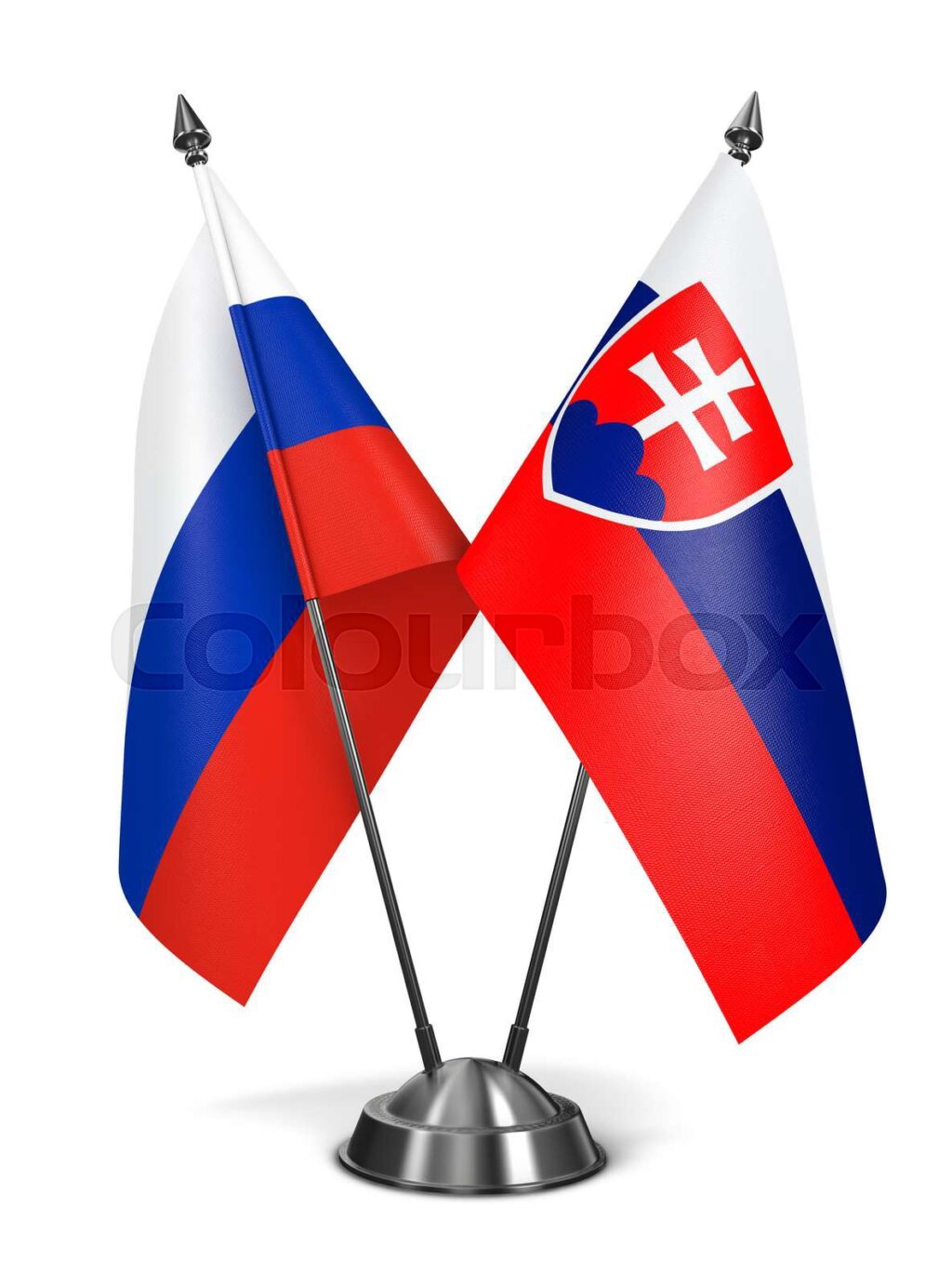
Additionally, Slovakia has been making headlines for its role in the ongoing situation regarding energy security and regional stability in Central Europe. The country has shown commitment to reducing its dependence on Russian energy supplies, while enhancing cooperation with other EU nations to find sustainable energy solutions. This transformation is crucial in the context of current geopolitical tensions.
The Importance of Tourism
The tourism sector in Slovakia continues to flourish, as travelers are drawn to its numerous natural wonders, such as the High Tatra mountains and its historic castles. The UNESCO World Heritage Sites, including the wooden churches of the Slovak part of the Carpathians and the historic town of Banská Štiavnica, remain significant attractions. The government is prioritizing sustainable tourism, aiming to balance economic development with the preservation of its rich cultural heritage.
Conclusion
Slovakia represents a fascinating mix of tradition and modernity, making it a significant player in the European landscape. As it navigates political changes and challenges, the country is poised for growth, especially in tourism and energy diversification. For readers interested in travel, investment, or cultural exploration, Slovakia offers a unique and evolving experience that should not be overlooked.