Introduction
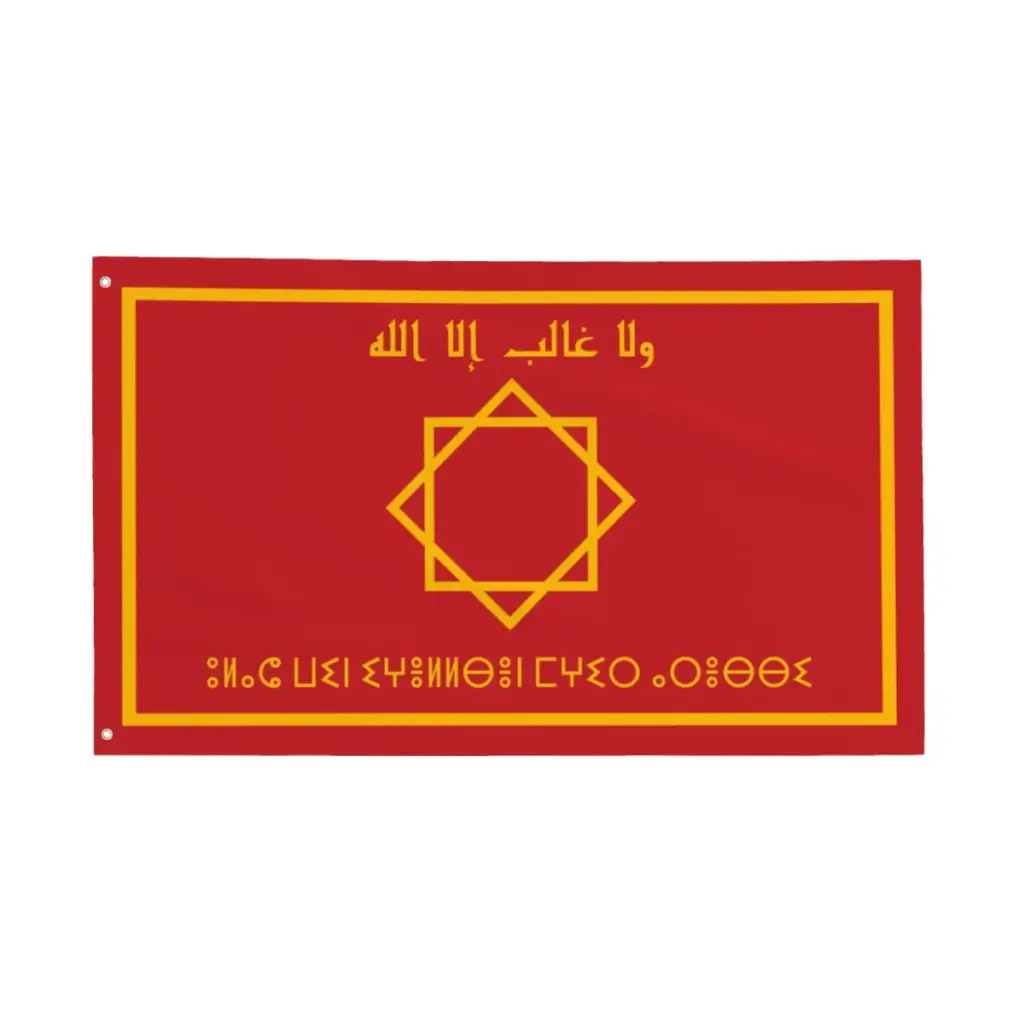
Morocco, a North African nation known for its rich history and vibrant culture, is emerging as a significant player in both tourism and economic development. Its unique blend of Arab, Berber, and European influences has made it an attractive destination for travelers and investors alike. As global interest in sustainability and cultural heritage grows, Morocco’s relevance is amplified in discussions surrounding economic potential and tourism revival.
Economic Developments
In recent years, Morocco has made substantial efforts to modernize its economy. The country has focused on various sectors, including tourism, renewable energy, and agriculture. The Moroccan government aims to double tourism by 2026, planning to promote its historical sites, beaches, and mountainous landscapes. In 2023, the country reported a significant rebound in travel, with tourist arrivals nearing pre-pandemic levels, particularly from Europe and North America.
Additionally, Morocco’s investment in renewable energy is noteworthy. The Noor Ouarzazate Solar Complex is one of the world’s largest solar plants, reflecting Morocco’s commitment to becoming a leader in renewable energy. This initiative not only supports domestic energy needs but also positions the country as an emerging player in the global green energy market.
Cultural Richness
Morocco’s cultural diversity is another focal point of its identity. Cities like Marrakech, Fez, and Chefchaouen showcase distinct architectural styles, art forms, and culinary traditions. The recent annual Marrakech International Film Festival and the Rabat Biennial art event have attracted international attention, further enhancing Morocco’s reputation as a cultural hub. The rich traditions of Berber and Arab communities provide unique experiences for visitors, from music festivals to handicrafts.
Global Challenges and Resilience
However, Morocco, like many countries, faces challenges. The impacts of climate change, economic disparities, and social issues remain pressing. The government is actively working to address these through various reforms and programs aimed at improving education and employment opportunities. The resilience shown by the Moroccan people in the face of natural disasters, such as the recent earthquake in the Marrakesh region, underscores the need for ongoing support and recovery efforts.
Conclusion
As Morocco continues to navigate a rapidly changing world, its blend of cultural heritage and economic ambition presents both opportunities and challenges. For travelers, investors, and policymakers, understanding Morocco’s trajectory is crucial for making informed decisions in the realms of culture, tourism, and sustainable development. Looking forward, Morocco appears poised for continued growth, driven by its unique strengths and the resilience of its people.