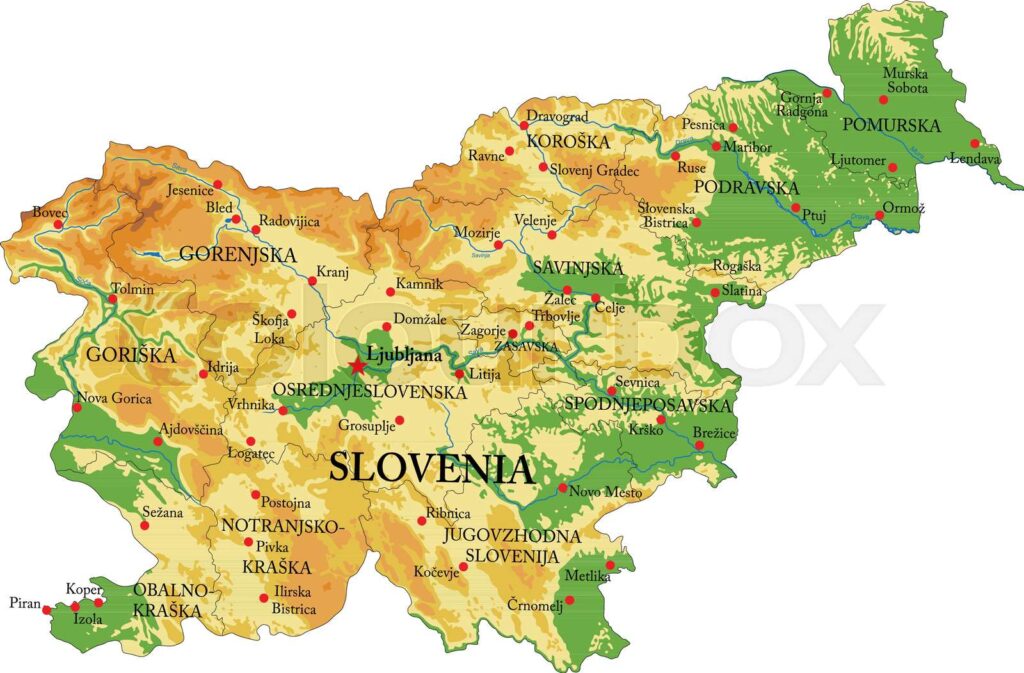
Introduction to Slovenia
Slovenia is a small yet stunning country located at the crossroads of Central and Southeastern Europe. Known for its picturesque lakes, dramatic mountains, and charming villages, Slovenia has become an increasingly popular destination for tourists. Its significance lies not only in its breathtaking landscapes but also in its rich cultural heritage and commitment to sustainability, making it a prime example of responsible tourism in Europe.
Recent Developments and Attractions
In recent years, Slovenia has gained attention for its environmental initiatives and outdoor tourism. The country was named the European Region of Gastronomy in 2021, showcasing its commitment to local and sustainable food practices. The capital, Ljubljana, offers vibrant cultural experiences, with numerous festivals, museums, and theaters. Additionally, the city was awarded the title of European Green Capital in 2016 for its efforts in sustainability.
Among its stunning natural attractions, Lake Bled stands out with its iconic island church and medieval castle perched atop a cliff. The Triglav National Park, home to Slovenia’s highest peak, Mount Triglav, offers hiking, climbing, and skiing opportunities, attracting adventure enthusiasts from all over the world. The Soča River, famous for its emerald green waters, is a hotspot for water sports, including kayaking and rafting.
Conclusion: The Future of Slovenia as a Travel Destination
As Slovenia continues to promote its unique identity and sustainable practices, it is set to become an even more attractive destination for travelers. Increased investments in eco-tourism, infrastructure, and the arts will likely enhance the visitor experience. In light of current trends in travel, the emphasis on nature and sustainability positions Slovenia as a leader among European travel destinations. With its growing reputation, Slovenia invites everyone to experience its beauty, culture, and innovative spirit.