Introduction
The Halifax Armoury, located in Halifax, Nova Scotia, stands as a poignant reminder of Canada’s military history and architectural heritage. Established in the mid-19th century, this historic site embodies the nation’s military evolution and the socio-political landscape of the time. Its relevance remains significant today, as it is a central hub for military training and community events in the region.
Historical Background
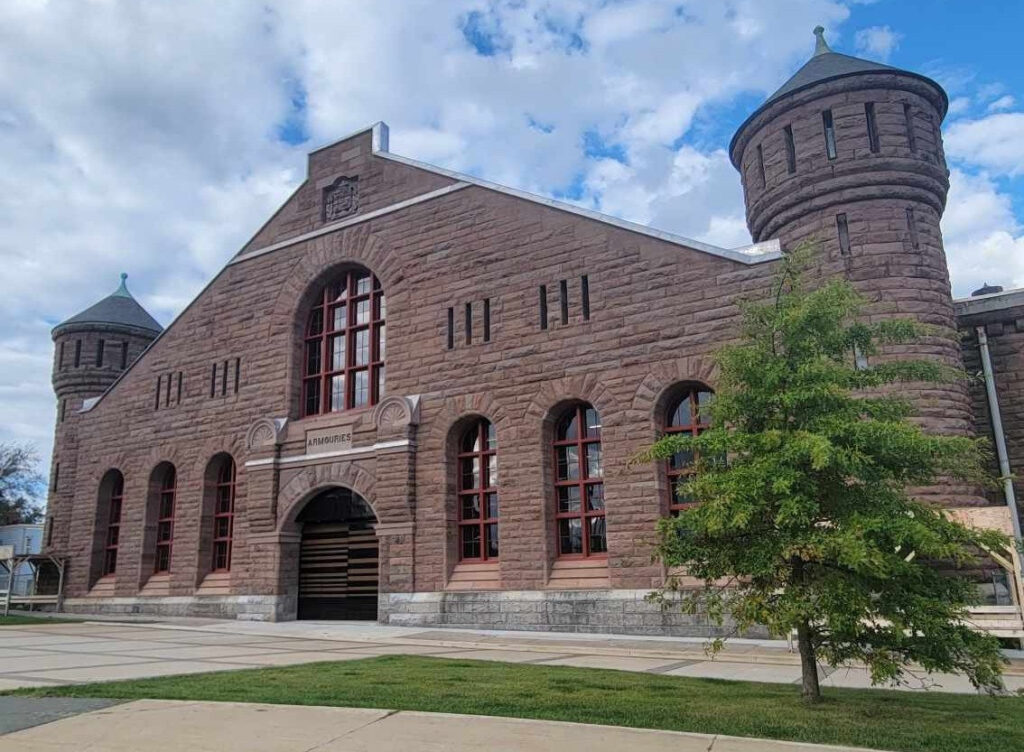
Constructed in 1856 and designed by architect William Critchlow Harris, the Halifax Armoury has served various roles throughout its existence. Originally built to accommodate military units, the armoury became a pivotal location during the First and Second World Wars, serving as a training facility for soldiers. The unique Romanesque Revival architectural style, characterized by its robust stone structure and arched windows, contributes to its standing as a heritage site. In 1985, it was designated a National Historic Site of Canada, emphasizing its cultural value.
Recent Developments
In 2023, the Halifax Armoury underwent significant renovations aimed at both preserving its historical integrity and enhancing its functionality for modern use. The renovations included updating the infrastructure to accommodate contemporary military needs while ensuring that historical elements are retained. This investment reflects the ongoing commitment to honor Canada’s military past while simultaneously catering to the present and future.
Community Engagement
The Halifax Armoury is not only a military facility but also a vital part of the local community. It frequently hosts events such as public ceremonies, educational programs, and open houses, fostering community engagement and promoting awareness of military history. Notably, the annual remembrance ceremonies held at the armoury draw visitors from across the region, highlighting its role in commemorating sacrifices made by Canadian servicemen and women.
Conclusion
The Halifax Armoury serves as a crucial link between Canada’s historical military practices and its current defense operations. With its recent renovations and continued community involvement, it stands poised to enhance its role in the region, bridging the past with the future. As we move forward, its preservation and usage will remind us of the importance of heritage and community in shaping a cohesive national identity.