Introduction
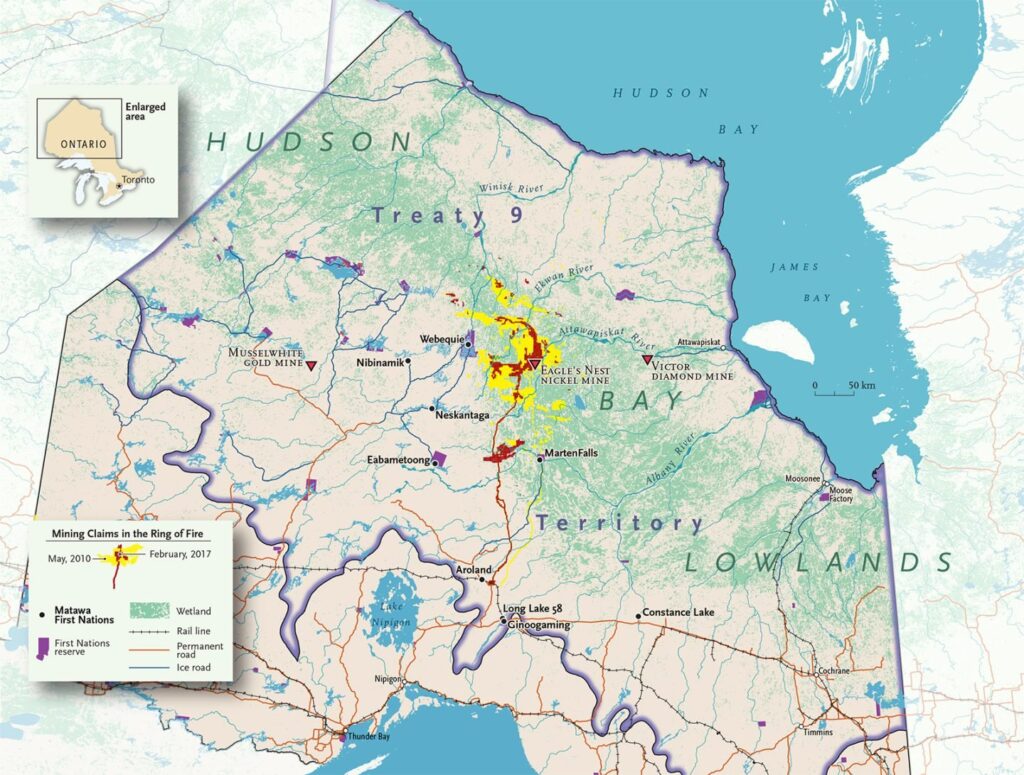
The Ring of Fire, located in Ontario’s Far North region, is an area rich in minerals and resources, particularly chromite, nickel, and copper. Its development is considered key for boosting economic growth, creating jobs, and advancing Canada’s position in the global mining sector. However, the journey towards a sustainable mining operation is riddled with challenges related to infrastructure, environmental concerns, and Indigenous rights.
Current Developments
In recent months, interest in the Ring of Fire has been reignited. In 2023, the Ontario government announced a new partnership with local Indigenous communities to develop the mining projects more sustainably. The partnership aims to ensure that Indigenous voices are prioritized in the planning process, while also boosting the local economy through job creation and training initiatives. This follows previous criticism regarding the lack of consultation with First Nations that hold rights to the land.
Additionally, the provincial government is working on improving transportation infrastructure to access the remote area. A proposal for a new all-season road has been put forward, aimed at easing transportation of resources and providing access for workers. However, environmentalists warn that such developments must carefully consider their impact on the surrounding ecosystem.
Environmental and Social Concerns
The environmental implications of mining in the Ring of Fire are a significant concern for local communities and advocacy groups. The region is known for its biodiversity, including numerous lakes, rivers, and forests that support various species. Critics argue that mining operations could potentially disrupt these ecosystems, leading to irreversible damage.
Indigenous communities have also expressed concerns over their rights to land and resources, stressing the importance of traditional land practices and environmental stewardship. It became evident that involving these communities not only ensures compliance with legal obligations but also creates a more inclusive dialogue regarding what sustainable development looks like.
Conclusion
The Ring of Fire in Ontario remains a focal point of potential economic development, essential for both the mining sector and the communities involved. As discussions continue, it is imperative that all stakeholders work collaboratively to address infrastructure and environmental challenges while respecting the rights and traditions of Indigenous peoples. The future of the Ring of Fire may hold significant promise, but that promise must be balanced with sustainable practices and responsible governance. The coming years will be critical in realizing the full potential of this resource-rich area.