Introduction
The Day of the Jackal, a novel penned by Frederick Forsyth, has captivated audiences since its release in 1971. The story intricately weaves themes of deception, conspiracy, and political intrigue, making it relevant in today’s world, characterized by similar tensions and uncertainties. As important as it is entertaining, this thriller continues to be a focal point for discussions surrounding ethics in espionage, the power of narrative in shaping perceptions, and the role of individual actors in society.
The Plot and Its Relevance
Set against the backdrop of 1960s France, the narrative observes an unnamed British assassin—dubbed ‘the Jackal’—hired by the OAS (Organisation armée secrète) to eliminate French President Charles de Gaulle. The meticulous planning, detailed character development, and intricate storyline create a sense of engaging realism, forcing readers to be invested not just in the outcome but also in the ethics of the assassination plot.
Forsyth’s ability to intertwine political history with thrilling suspense sheds light on the implications of such actions. His characters are deeply rooted in reality, echoing the complexities of loyalty, betrayal, and moral responsibility. As modern warfare evolves, the novel’s themes resonate with contemporary audiences, shaping how we view global politics today, including terrorism and the shadowy world of political assassinations.
Current Praise and Adaptations
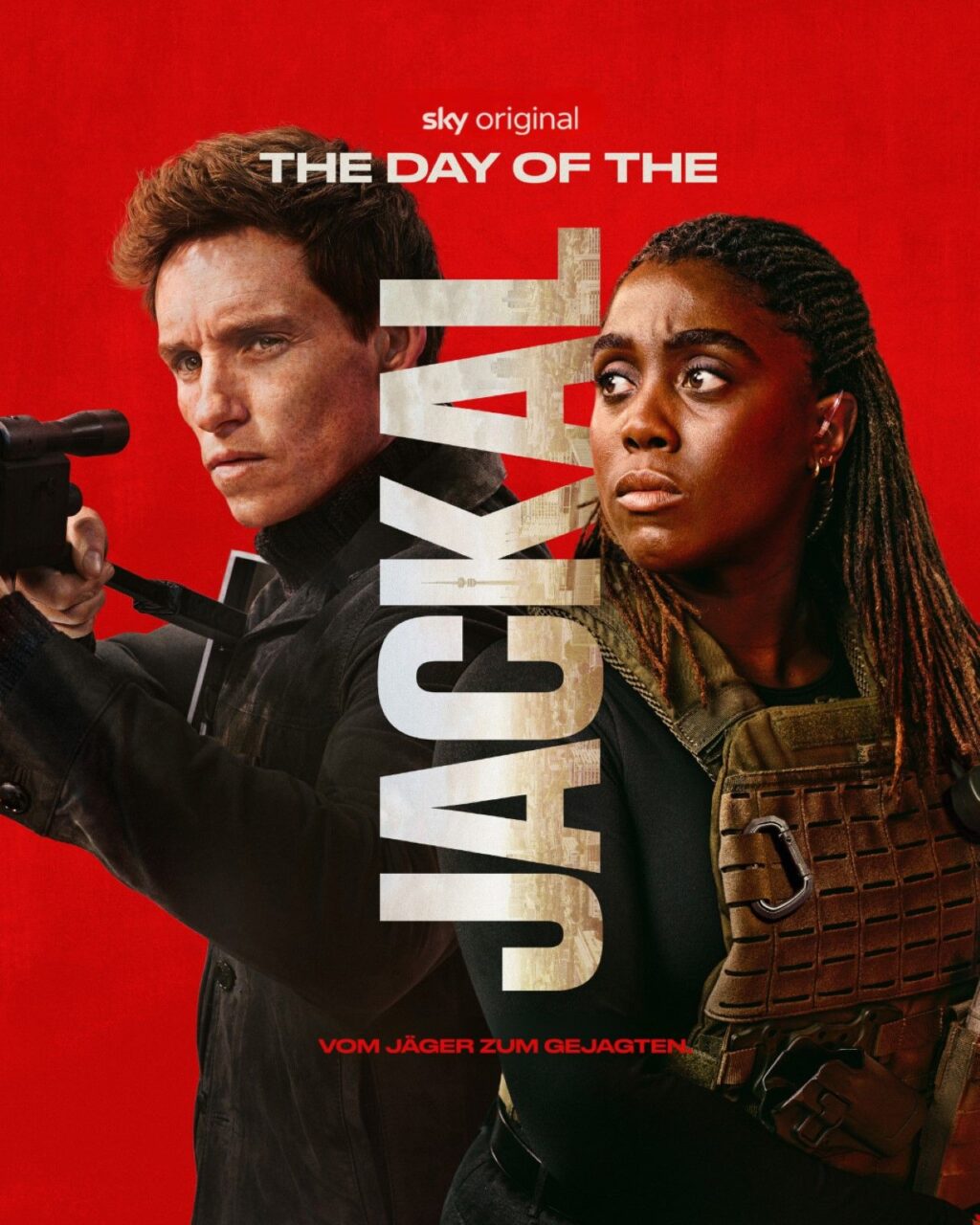
Recent advancements in technology and cinema continue to breathe new life into Forsyth’s compelling narrative. The novel has been adapted into an acclaimed film in 1973, which helped popularize the original text and foster discussions surrounding it. Additionally, interest in the tale was rekindled with remastered editions and streaming platforms, bringing The Day of the Jackal to both nostalgic audiences and new viewers alike. Recent adaptations strive not only to recreate the suspenseful ambiance but also to reflect on contemporary sociopolitical issues, including surveillance, conspiracy theories, and the complexities of national identity.
Conclusion
The Day of the Jackal continues to be a significant work in both literature and film, bridging generational gaps with its relevance. As readers and audiences alike explore the tensions that permeate predators and prey, the story raises important questions about ethics, governance, and the consequences of individual actions on a larger scale. Forsyth’s timeless thriller serves as both a warning and a reflection of the world, commanding attention in an era marked by political uncertainties and moral dilemmas.