Introduction
Namibia, located in Southwest Africa, is renowned for its remarkable landscapes, rich wildlife, and cultural diversity. This stunning country is home to the Namib Desert, Etosha National Park, and a variety of indigenous communities. As a popular travel destination, Namibia’s significance extends beyond its natural beauty; it plays an important role in sustainable tourism and conservation efforts in the region.
Key Attractions and Current Developments
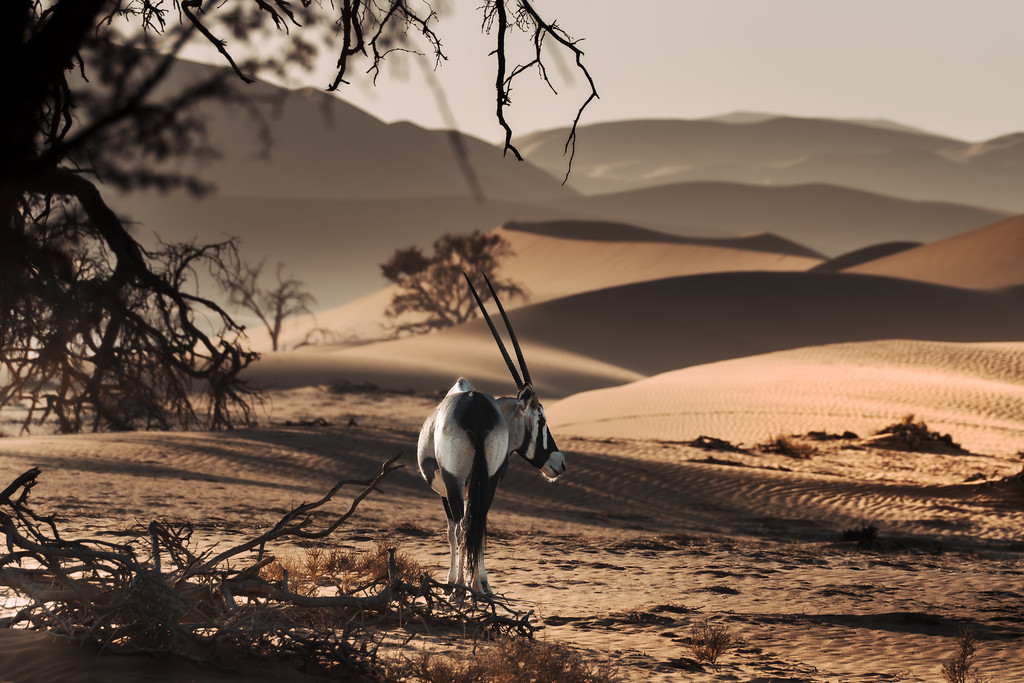
Namibia boasts a wide array of attractions, with the Namib-Naukluft National Park being a highlight. Travelers flock to witness the iconic red dunes of Sossusvlei, where the striking contrast of sand against a blue sky is a photographer’s dream. Moreover, Etosha National Park is a sanctuary for diverse wildlife, including elephants, rhinos, and endangered species, drawing eco-tourists from around the globe.
As of 2023, Namibia’s tourism sector is experiencing a resurgence following the impact of the COVID-19 pandemic. The government is actively promoting the country as a premier eco-tourism destination, encouraging responsible travel practices to preserve its unique environment. Recent initiatives include community-based tourism projects that empower local populations while protecting their cultural heritage and the environment.
Cultural Significance
Namibia is not only rich in natural beauty but also in cultural diversity, with several ethnic groups, including the Himba, Ovambo, and San people. These cultures add a unique flavor to the travel experience through their traditional music, art, and ceremonies. The government is working to promote the preservation of these cultures while integrating them into the tourism experience.
Conclusion
As Namibia continues to develop its tourism infrastructure and promote sustainable practices, the country is poised to become a leading destination for travelers seeking adventure and cultural enrichment. Visitors to Namibia can expect an unforgettable experience that highlights the importance of conservation, cultural appreciation, and nature. The future looks bright for this Southern African gem, with experts forecasting continued growth in eco-tourism, which not only benefits the economy but also fosters a greater respect for the environment and local cultures among tourists.