Introduction
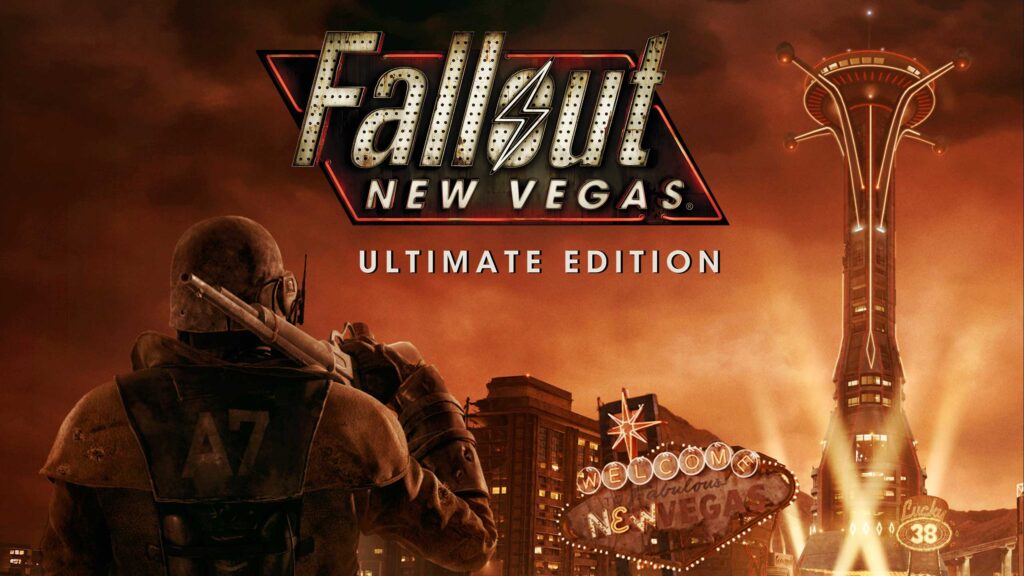
The 2010 release of Fallout: New Vegas represents a pivotal moment in the history of role-playing games (RPGs). This open-world game, set in a post-apocalyptic version of the Mojave Desert, not only expanded upon the universe established by Fallout 3 but also refined the mechanics and storytelling techniques that gamers had come to love. As we explore the legacy of Fallout: New Vegas, it’s essential to recognize its lasting influence on the gaming industry and its dedicated community that still thrives today.
The Development of Fallout: New Vegas
Developed by Obsidian Entertainment and published by Bethesda Softworks, Fallout: New Vegas was born from a desire to provide a fresh narrative while utilizing the established Fallout 3 engine. It boasts a rich history, with Obsidian being founded by former Black Isle Studios employees who worked on the original Fallout games. This connection provided a strong foundation, enabling the developers to create a rich and immersive experience that appealed to fans of the franchise.
Key Features and Innovations
Fallout: New Vegas introduced several features that set it apart from its predecessor. A notable aspect of New Vegas is its complex faction system, where players choose to ally with various groups, including the New California Republic and Caesar’s Legion. Each decision made influences the game’s outcome, providing players with a sense of agency rarely seen in other games at the time. The game also excelled in its incorporation of humor, darker themes, and moral ambiguity, further enriching the narrative experience.
Critical Reception and Legacy
Upon its release, Fallout: New Vegas received critical acclaim for its storytelling, world-building, and character development. While it was frequently compared to Fallout 3, many considered it a worthy successor due to its intricate writing and branching narratives. Players appreciated the gameplay improvements and deeper role-playing elements, which encouraged exploration and strategy. Over time, the game has retained a loyal fan base, leading to numerous mods and fan-made content that continue to enhance its longevity.
Conclusion
Fallout: New Vegas stands as a testament to the power of storytelling and player choice in video games. Its influence can be seen in the evolving landscape of RPGs, with many modern titles adopting similar elements of deep narrative and player agency. As gaming continues to evolve, the lessons learned from New Vegas about character complexity and immersive world-building remain relevant, ensuring that this iconic title will be celebrated for many years to come.