What observers say
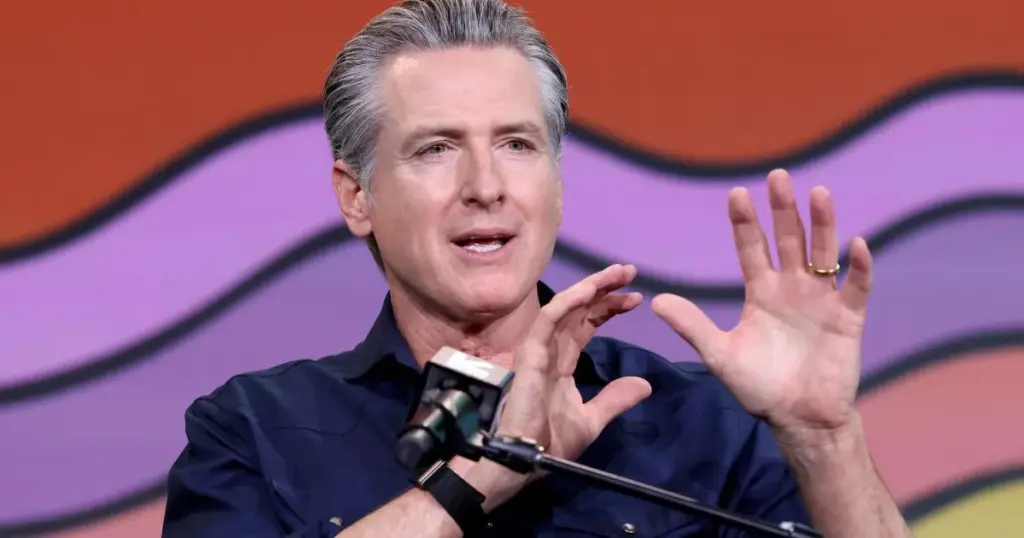
“Dyslexia isn’t a weakness. It’s your strength,” declared Gavin Newsom in a recent address, responding to remarks made by former President Donald Trump regarding his learning disability. Newsom’s comments come in the wake of Trump’s repeated mockery of his dyslexia, which Trump has labeled as disqualifying for leadership roles.
At a gathering in Austin, Texas, on March 15, 2026, Newsom emphasized the importance of reframing perceptions around dyslexia, a condition he was diagnosed with at the age of five. Trump has publicly ridiculed Newsom, calling him “dumb” and suggesting that his dyslexia makes him unfit for the presidency. Such comments have sparked outrage, particularly from Newsom’s wife, Jennifer Siebel Newsom, who described Trump’s remarks as “extremely ignorant and offensive.”
Newsom’s defense of dyslexia is not just personal; it reflects a broader societal issue. According to the Yale Center for Dyslexia and Creativity, dyslexia affects approximately 20% of the population. Newsom’s own experiences have fueled his advocacy for young people facing similar challenges. He has often shared how he has utilized his dyslexia to connect with and support others, stating that his preparation for speeches, which he describes as a “super power,” has helped him overcome the difficulties associated with his condition.
In a striking counter to Trump’s assertions, Dr. Helen Taylor, an expert in learning disabilities, noted, “If anything, [it’s] the opposite. There is evidence of an overrepresentation of people with dyslexia in business leadership roles.” This perspective aligns with Newsom’s narrative that dyslexia can foster unique strengths, creativity, and resilience in individuals.
Moreover, Newsom’s personal life reflects the challenges and triumphs associated with dyslexia. Two of the Newsoms’ four children have also been diagnosed with the condition, further motivating him to advocate for better understanding and support for those with learning disabilities. His memoir, titled “Young Man in a Hurry,” delves into his experiences and the lessons he has learned along the way.
Trump’s fixation on Newsom’s dyslexia has been notable, with the former president mentioning it at least four times in one week. This ongoing dialogue raises questions about the implications of such remarks in the political arena and the potential impact on public perception of learning disabilities.
As the discourse continues, Newsom’s message remains clear: dyslexia should not be seen as a barrier to leadership or success. His commitment to advocating for those with learning disabilities is likely to resonate with many, as he seeks to redefine the narrative surrounding dyslexia in a public and political context.