Introduction
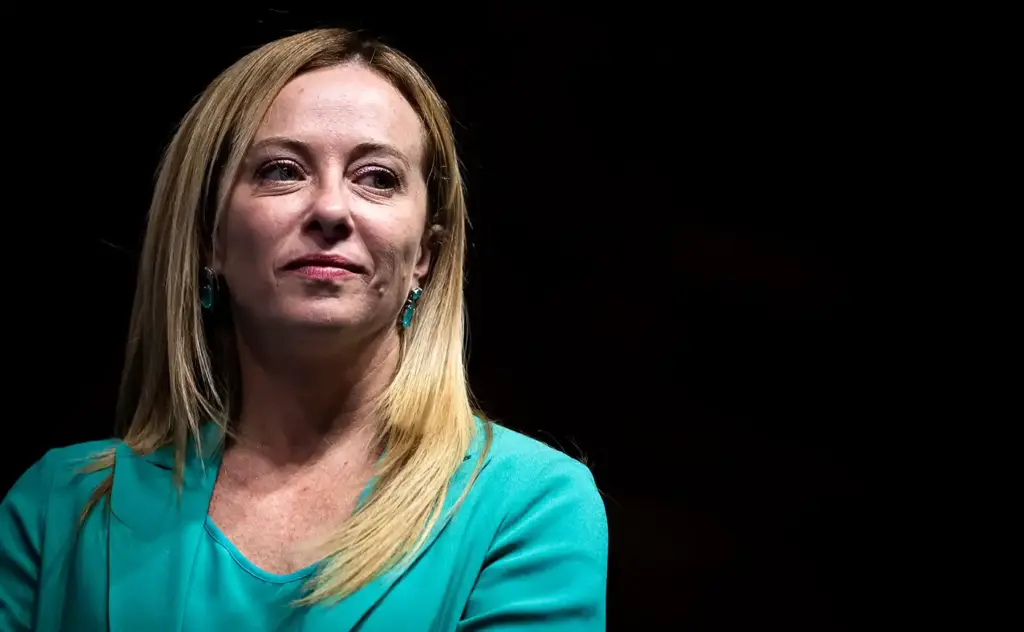
Giorgia Meloni’s ascent to political prominence is a significant development in Italy’s contemporary political landscape. As the first female Prime Minister of Italy, her leadership reflects a broader shift in European politics towards right-wing populism, raising questions about the future direction of Italy and its role within the European Union. Understanding Meloni’s political ideology and recent actions is essential not only for Italy but also for how European politics might evolve in response to her leadership.
Background and Rise to Power
Born on January 15, 1977, in Rome, Giorgia Meloni began her political career at a young age, getting involved in youth politics associated with the Italian Social Movement, a post-fascist party. She gained national recognition as a Member of Parliament and served as Minister of Youth in the cabinet of Prime Minister Silvio Berlusconi. In 2012, she co-founded the Brothers of Italy party, which has since surged in popularity, capitalizing on public discontent with traditional political parties.
Election and Policies
Meloni’s party won a plurality in the 2022 general election, leading to her appointment as Prime Minister. Her government has focused on several key policies, including tougher immigration controls, a strong stance on national identity, and a reduction in taxes for families and businesses. Meloni’s approach has been characterized by an emphasis on Italian nationalism, which resonates with a significant portion of the Italian electorate who feel disconnected from the European Union’s directives.
Reactions and Challenges
Meloni’s initial months in office have seen mixed reactions. While her supporters praise her decisive leadership and economic proposals, critics express concerns over her party’s far-right affiliations and its implications for civil rights and social policies. Notably, her administration has faced challenges in balancing Italy’s fiscal responsibilities while responding to the energy crisis exacerbated by the conflict in Ukraine. Additionally, her government is tasked with navigating complex relations with other EU countries, particularly in light of her party’s Eurosceptic positions.
Conclusion
As Giorgia Meloni continues her tenure as Italy’s Prime Minister, the significance of her policies and leadership style will become clearer. Her government represents a crucial point in Italy’s political landscape, with potential implications for the broader European political environment. Observers are keenly watching how Meloni balances national interests with EU commitments as she strives to solidify her party’s position in Italy and influence the future of European politics. The unfolding developments under her leadership may reshape not just Italy, but the entire region moving forward.