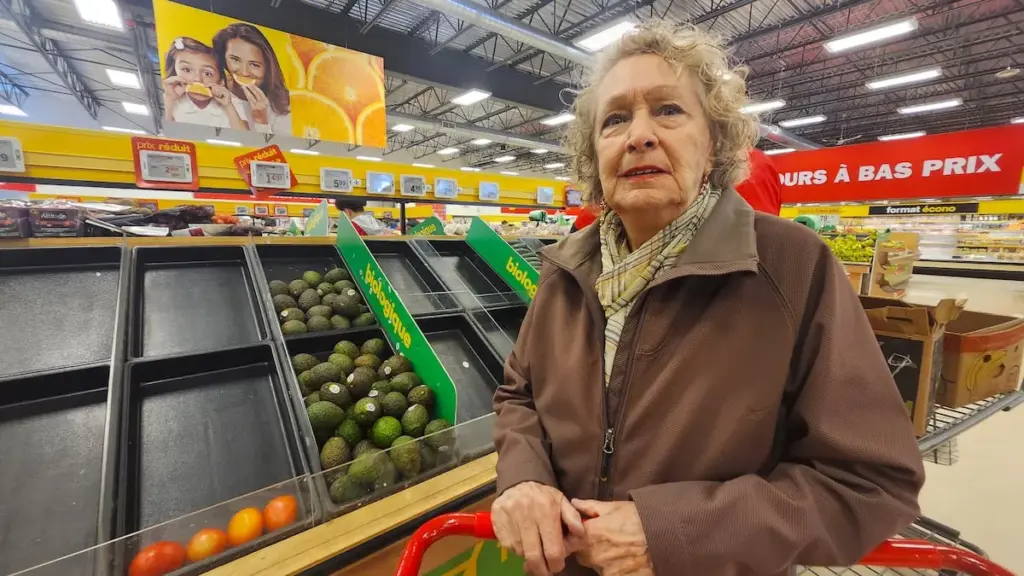
What happens when the workers who supply our fruits and vegetables stand up for their rights? In Laval, Quebec, the answer is a significant strike that has disrupted the supply chain for many local grocery stores. On March 30, 2026, 550 workers at Metro’s distribution center walked off the job, and the repercussions are being felt across the region.
The immediate impact of this strike is the noticeable shortage of fresh produce at Super C stores, which rely heavily on Metro for their supply of fruits and vegetables. A spokesperson for Metro acknowledged the situation, stating, “Due to circumstances beyond our control, it is possible that some products may not be available at this time.” This shortage is a direct result of the workers’ decision to reject an 11% salary increase over six years, which they deemed insufficient, especially given the rising cost of living.
Workers have expressed their frustration, with union representative Matthieu Lafontaine stating, “People are angry.” The proposed salary increase translates to only about 1% per year for the lowest-paid employees, a figure that many find insulting in light of the company’s financial performance. Over the past six years, Metro’s profits have surged by 39%, while employee salaries have only seen an 11% increase. This disparity has fueled discontent among the workforce.
Adding to the workers’ grievances are concerns about inflation and subcontracting practices that they believe undermine their job security and fair compensation. Bertrand Guibord, another union member, voiced his discontent, saying, “Being offered between 1 and 2% per year is insulting. We deserve our share, and we will continue our fight!” This sentiment reflects a broader struggle for fair wages and working conditions that many workers face today.
The last collective agreement for these workers expired on September 19, 2025, and negotiations have been ongoing since then. The pandemic has complicated these discussions, as the last agreement was negotiated before its onset. As the strike continues, the future of negotiations remains uncertain.
What the data shows
Metro’s financial health appears robust, with a reported 28% increase in revenue and a 56% increase in dividends to shareholders over the past six years. In stark contrast, CEO Eric La Flèche’s salary increased to $6.8 million in 2025, raising questions about the prioritization of executive compensation over employee welfare. This disparity has not gone unnoticed by the striking workers, who are demanding a fairer share of the company’s success.
As the strike continues, the community is left wondering how long the shortages will last and what the long-term effects will be on both the workers and the grocery supply chain. Details remain unconfirmed regarding the next steps in negotiations, but the resolve of the workers suggests that they are prepared to stand firm in their demands for better pay and working conditions.
The situation in Laval serves as a reminder of the critical role that workers play in our food supply and the importance of fair labor practices. As the community rallies around the striking workers, it highlights the need for solidarity and support in the face of corporate decisions that may prioritize profits over people.