On March 15, 2026, the Supreme Court of India made a landmark ruling permitting passive euthanasia for Harish Rana, who has been in a vegetative state for 13 years following a severe brain injury from a fall in 2013. This decision marks a significant moment in Indian legal history, as it is the first instance where a court has approved passive euthanasia in such a case.
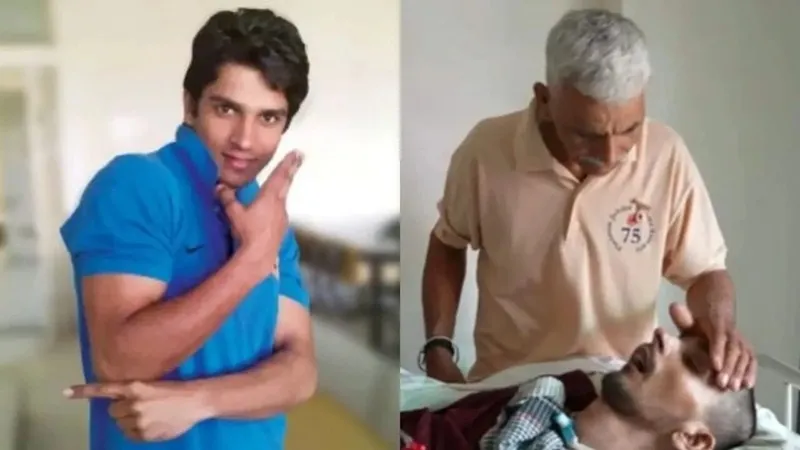
Harish Rana, now 32 years old, suffered severe head injuries after falling from the fourth floor of his accommodation on Raksha Bandhan in August 2013. Since then, he has been cared for by his family, who have endured the emotional and physical toll of his condition.
The Supreme Court’s ruling allows for the gradual withdrawal of life-sustaining medical treatments, including clinically assisted nutrition, under medical supervision at AIIMS Delhi, where he has been transferred following the court’s order. Medical experts have deemed his condition irreversible, emphasizing that the decision was about avoiding the artificial prolongation of life without hope of recovery.
Harish Rana’s parents, particularly his father Ashok Rana, expressed the immense pain of witnessing their son’s prolonged suffering. Ashok Rana stated, “As a father, it is extremely painful. No parent would ever want to see their son in such a condition.” The family had waited years for any sign of recovery before approaching the Supreme Court for permission to end his suffering.
The ruling has sparked a broader debate in medical and legal circles regarding end-of-life rights in India. The Supreme Court highlighted that the decision was not about intentionally ending life but rather about respecting the dignity of individuals in hopeless medical situations.
In a poignant moment, a Brahma Kumaris sister remarked, “Forgive everyone, ask forgiveness from all, now it’s time to go. It’s okay,” reflecting the emotional weight of the decision.
As the process of withdrawing life support begins, the implications of this case will likely resonate throughout India, influencing future discussions on euthanasia and patient rights. Details remain unconfirmed regarding the exact timeline for the withdrawal of support and any potential challenges to the ruling.