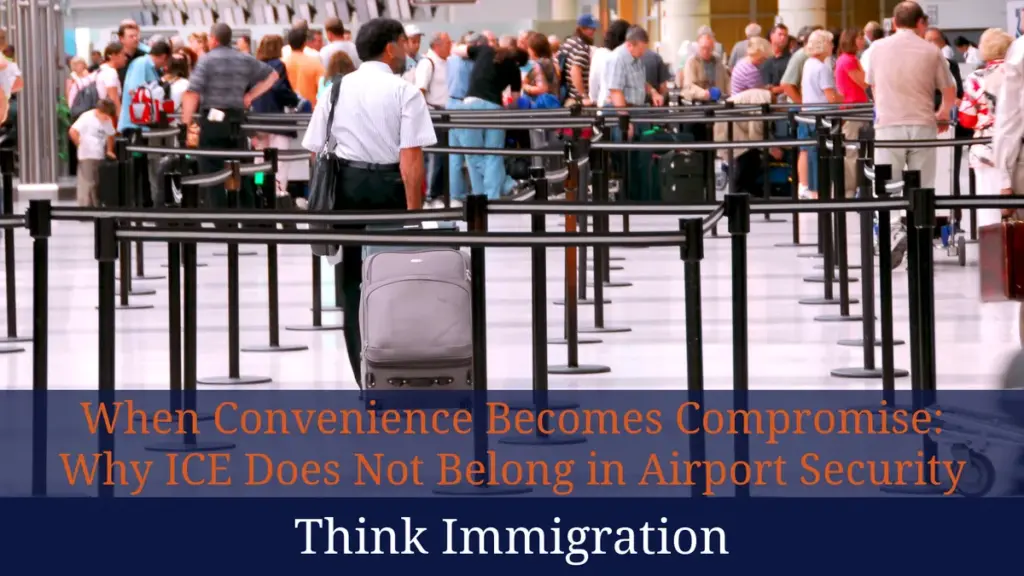
As the United States faces a partial government shutdown, the presence of ICE agents at airports has become a focal point of concern for travelers and local communities. On March 25, 2026, ICE agents were deployed to assist the TSA amid significant staffing shortages, with absentee rates soaring at various airports. For instance, TSA reported a staggering 43% absentee rate at Houston’s William P. Hobby Airport, alongside high rates at other major airports like JFK and Atlanta.
ICE officers have been spotted at key locations, including Chicago O’Hare, Hartsfield-Jackson Atlanta, and New York’s JFK. While Tom Homan, a former ICE director, stated, “We’re just simply helping our fellow officers at TSA,” this collaboration has drawn criticism from TSA agents who feel that the presence of ICE adds confusion during an already challenging time.
One notable incident occurred at San Francisco International Airport, where ICE agents arrested a mother and child, both Guatemalan nationals, after being tipped off by TSA. This event sparked outrage among local officials and Congress, with Representative Doris Matsui expressing her anger over the video of the arrest, emphasizing the distress it caused to the young child present.
The deployment of ICE agents aims to mitigate disruptions for travelers, yet it raises significant concerns regarding the blurring of lines between aviation security and immigration enforcement. Critics argue that this shift, which began under the Trump administration with expanded data sharing between TSA and ICE, could undermine public trust in airport security.
As TSA officers continue to face high absenteeism rates, the role of ICE at airports remains contentious. While ICE officers have continued to receive pay during the DHS shutdown, TSA workers have been left without compensation, further complicating the situation.
Details remain unconfirmed regarding the exact duration of ICE’s presence at airports and the correlation between TSA absentee rates and ICE deployments. As communities grapple with these developments, the balance between security and trust in public safety remains a pressing concern.