What does the recent escalation signify?
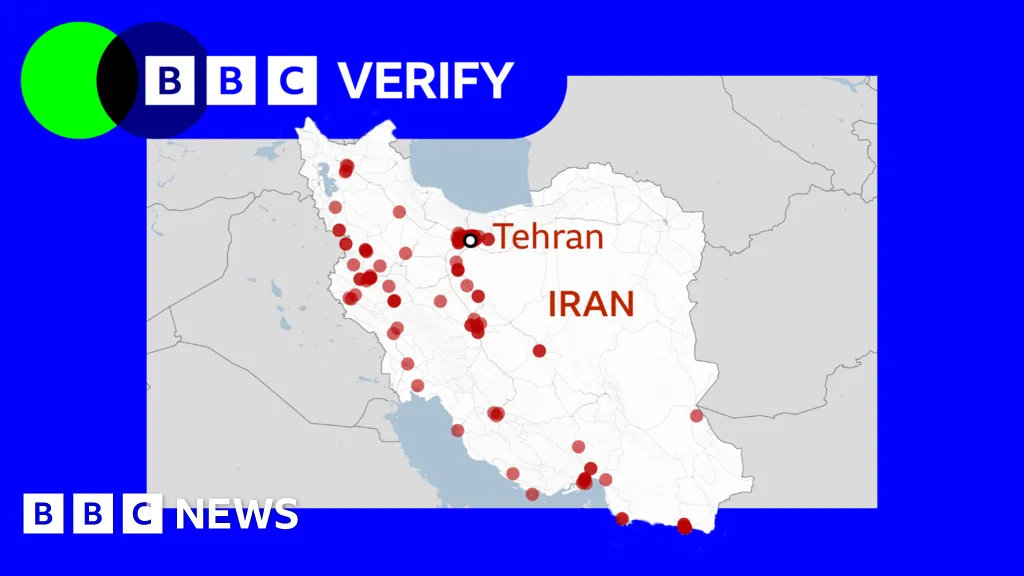
The recent strikes by Iran against Israel have raised critical questions about the stability of the Middle East. This escalation follows a series of retaliatory actions and military engagements that have resulted in significant casualties across the region. The Iranian state media confirmed a strike on an oil storage facility in Tehran, marking a notable shift in the ongoing conflict.
Casualties and Responses
The conflict has already claimed the lives of at least 1,230 people in Iran, over 290 in Lebanon, and 11 in Israel. U.S. President Donald Trump has warned that Iran will be “hit very hard,” indicating a potential for further military action. Israeli Prime Minister Benjamin Netanyahu has promised “many surprises” in response to the ongoing conflict, suggesting that the situation could escalate further.
Background of the Conflict
This escalation is rooted in a series of U.S. and Israeli attacks on Iranian military capabilities, leadership, and nuclear programs. The Iranian leadership council has been in contact with the armed forces regarding these attacks, and Iran’s Revolutionary Guard controls the ballistic missiles targeting Israel and other countries. The Iranian-backed militant group Hezbollah has also engaged in clashes with Israeli forces in Lebanon, further complicating the situation.
Iran’s Leadership and Regional Dynamics
Iran’s President Masoud Pezeshkian has publicly apologized for attacks on neighboring countries, stating that Iran will no longer target these nations unless provoked. This statement reflects an attempt to manage regional perceptions amid escalating tensions. However, the geography of the region remains precarious, with Iranian officials acknowledging that some countries are under the influence of their adversaries.
International Reactions and Future Implications
In addition to the U.S. response, Gulf Arab states have been involved in the broader dynamics of the conflict. For instance, Saudi Arabia successfully intercepted drones headed toward its Shaybah oil field, while the United Arab Emirates reported casualties from debris caused by aerial interceptions. These incidents highlight the widespread impact of the conflict beyond just Iran and Israel.
What Comes Next?
As the situation unfolds, the potential for further military engagements looms large. Iran’s leadership has indicated a desire to avoid further conflict unless provoked, but the ongoing clashes and military posturing from both sides suggest that the region remains on edge. The international community is closely monitoring these developments, as the implications of this conflict could reshape alliances and power dynamics in the Middle East.
With the conflict resulting in significant casualties and geopolitical tensions, the situation remains fluid. Details remain unconfirmed regarding the full extent of military actions and their consequences. As both Iran and Israel prepare for potential escalations, the future of regional stability hangs in the balance.