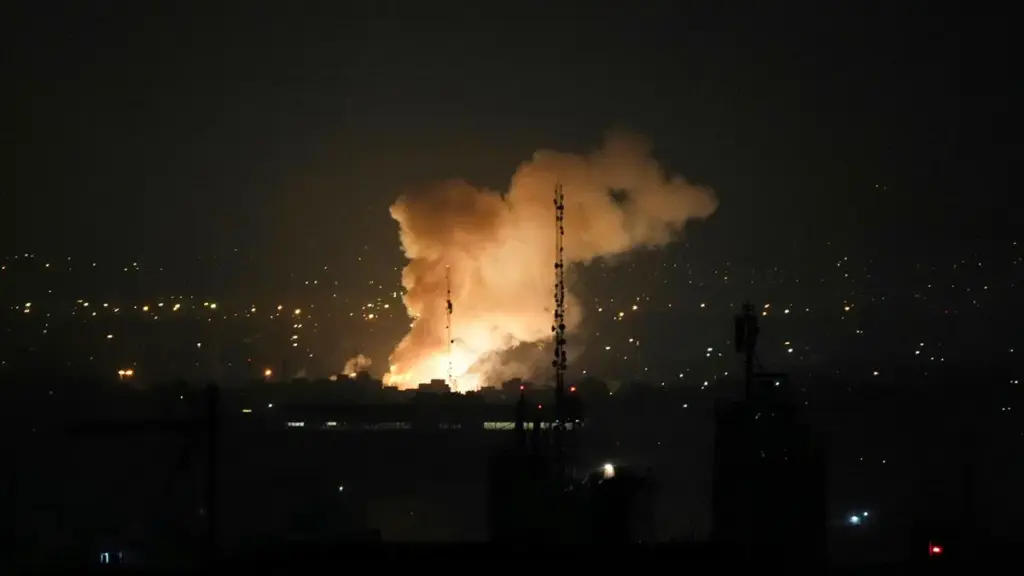
The recent Iran strikes have resulted in devastating consequences, with the death toll in Iran surpassing 1,500 and significant damage to civilian infrastructure. The Iranian Red Crescent Society reported that over 80,000 civilian building units have been hit, including residential areas, schools, and hospitals. Tragically, strikes in Khorramabad claimed the life of a child and left several others wounded, while at least six people were killed in Tabriz city.
In response to the escalating conflict, Israel and the United States launched extensive strikes across Iran, targeting military installations and infrastructure in Tehran. Iranian air defense systems were activated in an attempt to counter US-Israeli drone activity, but the effectiveness of these defenses remains unconfirmed.
As the situation unfolds, Iranian missile strikes have continued, with shrapnel reported across southern and central Israel. In Israel, 15 individuals have lost their lives due to Iranian attacks, further intensifying the cycle of violence.
The Iranian Revolutionary Guard Corps (IRGC) has issued threats of retaliation against US bases if Iranian power plants are attacked, indicating a potential escalation in military actions. Ahmad Zeidabadi warned that if electricity to 90 million people were to stop, homes and streets would be plunged into darkness, highlighting the stakes involved in these strikes.
Mohamad Elmasry remarked, “We risk entering into a new chapter,” reflecting the growing concern about the conflict’s trajectory. The US military targeted a turbine engine production site in Qom province linked to the IRGC, further complicating the situation.
Details remain unconfirmed regarding the exact number of casualties and the full extent of the damage from the strikes. As the international community watches closely, the potential for further developments remains high, with fears of a broader conflict looming over the region.