Iranian President Apologizes
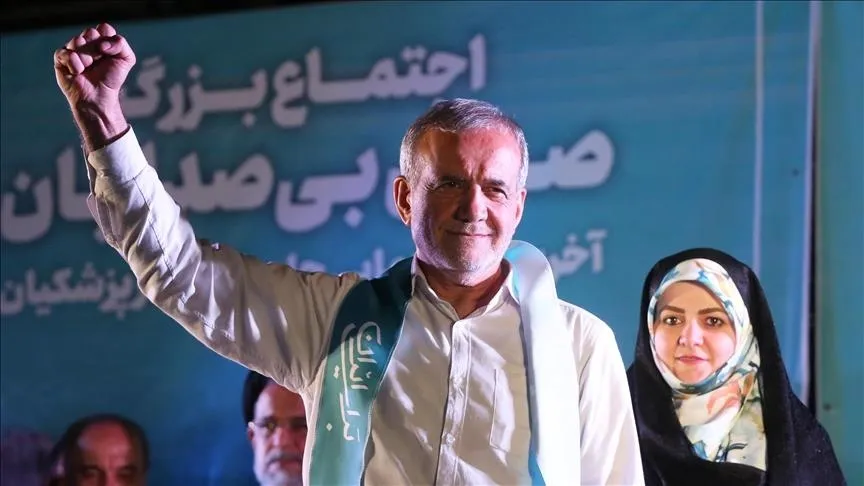
On March 7, 2026, Iranian President Masoud Pezeshkian issued an apology for the attacks on neighboring countries, stating, “I personally apologize to neighbouring countries that were affected by Iran’s actions.” This statement comes amid escalating tensions in the region and follows the recent death of Supreme Leader Ayatollah Ali Khamenei.
Pezeshkian’s apology has been met with a swift backlash from hardliners within Iran, who view his conciliatory tone as a sign of weakness. The Iranian leadership council, currently overseeing the country, is grappling with internal divisions that have become more pronounced since Khamenei’s passing.
In his remarks, Pezeshkian emphasized that Iran would not initiate attacks against its neighbors unless provoked. However, this assertion was quickly contradicted by military leaders, including Ayatollah Gholamhossein Mohseni-Ejei, who stated, “Heavy strikes on those targets will continue.” This contradiction highlights the rift between more pragmatic factions and hardliners within the Iranian government.
Context of the Conflict
The backdrop to this diplomatic turmoil includes significant casualties resulting from ongoing military conflicts, with reports indicating that 1,230 people have been killed in Iran, alongside 290 in Lebanon, 11 in Israel, and 6 U.S. troops. These figures underscore the severity of the situation and the potential for further escalation.
International Reactions
U.S. President Donald Trump responded to Pezeshkian’s apology with a warning that Iran would be “hit very hard” if it continued its aggressive stance. This reaction from the U.S. adds another layer of complexity to the already tense relations in the region.
Looking Ahead
The current situation reflects a broader struggle within Iran’s leadership, as the country navigates the aftermath of Khamenei’s death and the pressures of ongoing conflicts. The divisions between hardliners and more moderate voices are becoming increasingly visible, raising questions about the future direction of Iranian policy.
Details remain unconfirmed regarding the full implications of Pezeshkian’s apology and the internal dynamics at play, but the reactions thus far indicate a challenging road ahead for the Iranian president as he seeks to balance domestic pressures with international expectations.