Transition of Power
The political landscape in Iran has undergone a dramatic shift following the assassination of Ali Khamenei, who had served as the Iranian supreme leader for 37 years. His tenure began in 1989, succeeding Ayatollah Ruhollah Khomeini after the 1979 Islamic revolution. The expectation was that Ali Khamenei would continue to guide Iran through its complex geopolitical challenges.
Decisive Moment
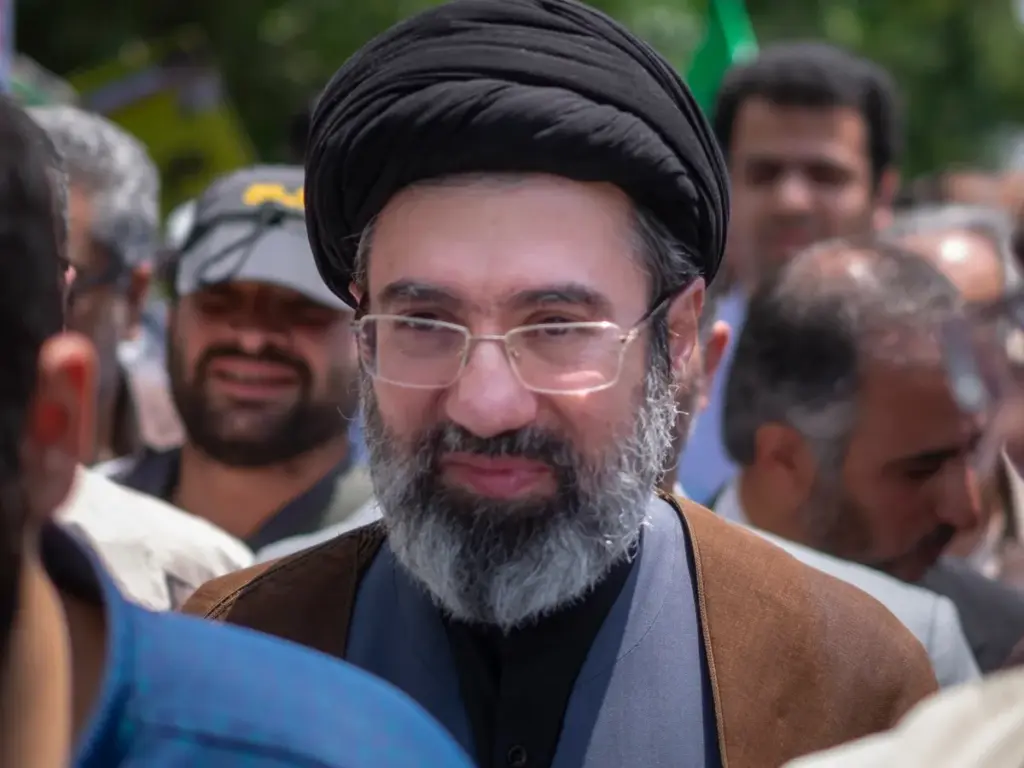
However, on March 8, 2026, the Assembly of Experts named Mojtaba Khamenei as the new supreme leader, marking a significant turning point in Iranian politics. This decision came in the wake of a joint United States-Israeli military operation that targeted over 500 strategic Iranian military and leadership sites, resulting in the death of Ali Khamenei.
Immediate Effects
Mojtaba Khamenei, at 56 years old, is seen as a potential sign of continuity in Iran’s leadership despite never having run for office or been subjected to a public vote. His appointment has been met with support from key political leaders and the Islamic Revolutionary Guard Corps, signaling a united front amidst the turmoil.
Expert Perspectives
Iran’s President Masoud Pezeshkian stated that this appointment heralds a “new era of dignity and strength” for the nation. He emphasized that this choice reflects the will of the Islamic nation to consolidate national unity against external threats. In contrast, U.S. political figures, including Donald Trump, have expressed skepticism about Mojtaba’s ability to maintain power without broader approval.
Responses to the Assassination
In retaliation for the strikes that killed Ali Khamenei, Iran has launched missile and drone attacks against U.S. and Israeli forces, indicating a heightened state of conflict in the region. The military operation that led to Khamenei’s death was reportedly part of a broader campaign dubbed Operation Epic Fury.
Future Implications
As Iran navigates this transition, the international community watches closely. The fate of Iran’s leadership and its implications for regional stability remain uncertain. Political analysts suggest that the new leadership under Mojtaba Khamenei may face significant challenges in maintaining both internal and external support.
Details remain unconfirmed regarding the full extent of the operational strategies employed by the U.S. and Israel in the lead-up to the assassination, as well as the long-term effects of this leadership change on Iran’s foreign policy.