Background of the Conflict
Ayatollah Ali Khamenei served as Iran’s supreme leader for 37 years until his death on February 28, 2026, during a U.S.–Israeli strike on Tehran. His passing marked a significant turning point in Iranian politics, leading to the appointment of his son, Mojtaba Khamenei, as the new supreme leader. This transition has been accompanied by a surge in hostilities, with Iran launching attacks on Israel and Gulf states shortly after the announcement.
Recent Developments
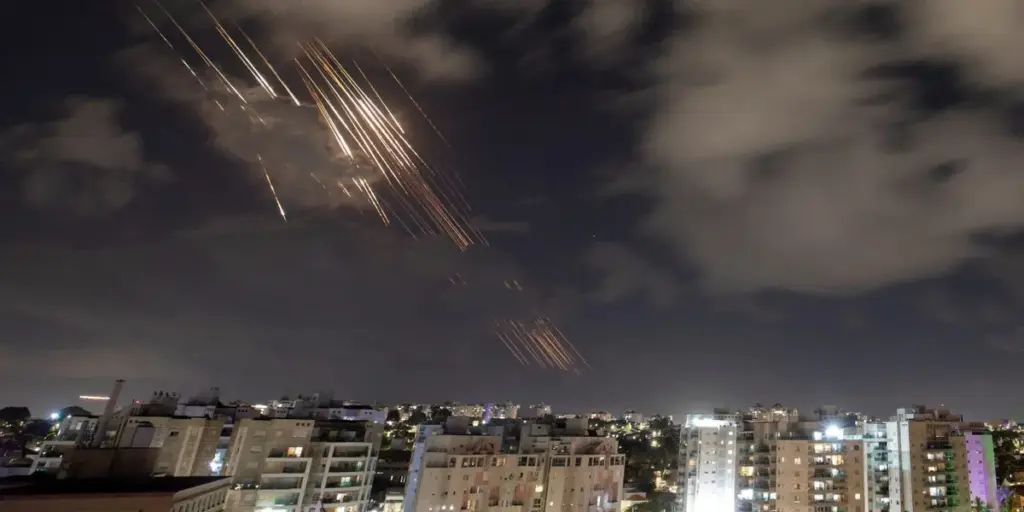
On March 9, 2026, the conflict escalated dramatically as Iran initiated a series of attacks targeting Israel and neighboring Gulf states. Reports indicate that the war has resulted in over 1,200 deaths in Iran, nearly 400 in Lebanon, and 11 in Israel. Additionally, seven U.S. service members have been killed since the onset of hostilities, highlighting the conflict’s broader implications.
Impact on Regional Stability
The violence has prompted significant responses from regional powers. Saudi Arabia’s Foreign Ministry stated, “The Kingdom affirms that it retains its full right to take all necessary measures to safeguard its security, sovereignty, and the safety of its citizens and residents, and to deter aggression.” This statement underscores the heightened tensions and the potential for further escalation in the region.
Economic Ramifications
The conflict has also triggered economic repercussions, with crude oil prices briefly nearing $120 a barrel. Bahrain’s state oil company declared ‘force majeure’ on its operations due to the ongoing violence, and the average gasoline price in the U.S. surged by about 50 cents a gallon within a week. These developments reflect the broader economic instability resulting from the conflict.
Military Engagements
In the military sphere, the Israeli military has targeted key Iranian assets, including the destruction of the headquarters of the Islamic Revolutionary Guard Corps (IRGC) air force. Meanwhile, Saudi Arabia successfully intercepted several drones aimed at its Shaybah oil field, further illustrating the conflict’s regional implications.
International Reactions
As tensions rise, other nations are also responding to the situation. Qatar’s government issued an alert for missile threats targeting the state, while Turkey intercepted a ballistic missile launched from Iran that entered its airspace. These actions highlight the potential for the conflict to draw in additional regional players.
Looking Ahead
Observers are closely monitoring the situation, with concerns about the potential for further escalation. The Assembly of Experts in Iran has voted to appoint Mojtaba Khamenei as the Islamic Republic’s third leader since its founding in 1979, a move that may embolden Iran’s aggressive posture. As the conflict continues to unfold, the international community remains on alert for any developments that could impact regional stability and security.