The numbers
On March 18, 2026, the Israel Iran War escalated further as Iran launched a new wave of strikes against its Persian Gulf neighbors and Israel. This latest offensive follows a series of deadly encounters, including the assassination of Iranian Intelligence Minister Esmail Khatib by Israeli forces on the same day. Just a day prior, Israel also killed prominent Iranian officials Ali Larijani and Gholamreza Soleimani in targeted attacks.
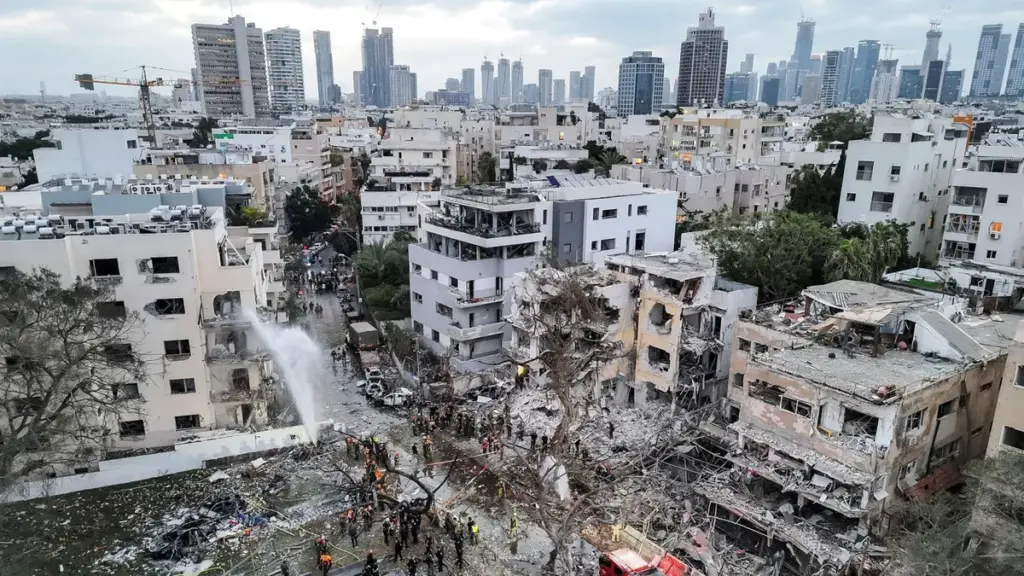
Since the conflict began, Iran has fired more than 180 ballistic missiles toward Israel, resulting in the deaths of at least 14 civilians in Israel. The toll of the conflict has been severe, with reports indicating that around 1,300 people have been killed in Iran and 912 in Lebanon due to Israeli strikes. The ongoing violence has also displaced approximately 3 million people within Iran.
Abbas Araghchi, a senior Iranian official, stated, “This war is not our war. We did not start it. The United States started it and is responsible for all the consequences of this war – human and financial – whether for Iran, for the region, or for the entire world.” His remarks reflect the broader sentiment in Iran regarding the U.S. involvement in the conflict, which has been characterized by military operations initiated by the United States and Israel after diplomatic efforts were deemed ineffective in addressing Iran’s nuclear threat.
The United States and Israel commenced coordinated military operations against Iran on February 28, 2026, marking a significant escalation in hostilities. U.S. President Donald Trump emphasized the necessity of these operations, stating, “The United States military began major combat operations in Iran to defend the American people by eliminating imminent threats from the Iranian regime.” This declaration underscores the ongoing tensions and the perceived threat posed by Iran to U.S. interests in the region.
As the conflict continues, the price of Brent crude oil has remained elevated, trading over $100 per barrel, reflecting the geopolitical instability in the region. Analysts note a 40 percent increase in oil prices since the onset of hostilities, further complicating the economic landscape amid the war.
Israeli officials, including Israel Katz, have indicated that “significant surprises are expected throughout this day on all the fronts,” suggesting that the conflict may see further escalations in the coming days. The situation remains fluid, with both sides preparing for potential new developments.
Details remain unconfirmed regarding the full scope of military engagements and civilian casualties as the conflict unfolds. Observers are closely monitoring the situation, anticipating further military actions and their implications for regional stability.