Introduction
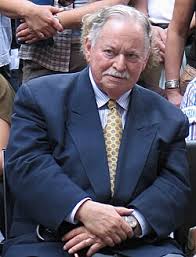
Jacques Parizeau, a towering figure in Quebec politics, passed away in 2015, leaving behind a complex legacy intertwined with the province’s quest for sovereignty. His contributions continue to resonate, not just in Quebec but across Canada, as discussions about nationalism and identity remain pertinent in contemporary political discourse.
Early Life and Political Rise
Born on August 9, 1930, in Montreal, Parizeau was educated at the prestigious Collège Jean-de-Brébeuf and later at the Université de Montréal and the Massachusetts Institute of Technology. His early career as an economist provided him with a robust foundation for understanding economic issues, which later shaped his political ideology. Parizeau initially joined the Parti Québécois (PQ) in the late 1960s, quickly rising through the ranks due to his incisive intellect and undeniable passion for Quebec’s independence.
Leadership and the 1995 Referendum
In 1994, Parizeau became the Premier of Quebec after leading the PQ to victory. His tenure was marked by the push for another referendum on Quebec sovereignty, culminating in the pivotal 1995 vote. The referendum was heralded as a crucial moment in Quebec’s history, with Parizeau advocating for a clear path to independence. The result, however, was a narrow defeat, with 50.58% voting against sovereignty. Parizeau famously resigned the same night, citing the necessity for new leadership in the face of the loss, which he attributed to ‘bad faith’ from the federal government and what he called a ‘massive transfer of votes from the other parties.’
Impact and Legacy
Jacques Parizeau’s political legacy is reflective of Quebec’s ongoing struggles with identity, culture, and autonomy. Despite the referendum defeat, he remained a respected figure within the sovereignty movement and continued to advocate for Quebec’s interests. Parizeau’s economic policies, particularly his focus on public finance and economic nationalism, influenced many subsequent political debates within the province.
Conclusion
The life and career of Jacques Parizeau remain significant as Quebec continues to navigate its relationship with Canada. His commitment to the idea of sovereignty ignites discussions around nationalism, making his legacy more relevant than ever. Current political leaders often reference his strategies and ideologies as they contend with both provincial and federal governance challenges. As Quebec continues to assert its place within the Canadian federation, Parizeau’s vision serves as a reminder of the deep complexities that define the province’s political landscape, echoing the aspirations and realities of its people.