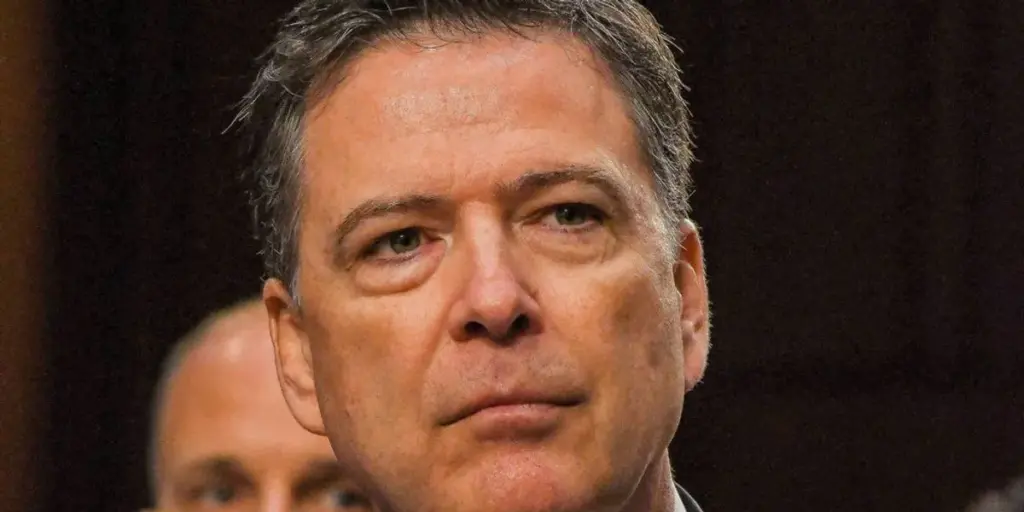
On April 28, 2026, James Comey faced a second indictment, this time for a social media post that officials interpret as a threat against Donald Trump. The case, unfolding in the Eastern District of North Carolina, has ignited discussions about political prosecution and the boundaries of free speech.
The indictment stems from an Instagram post where Comey shared a photo of seashells arranged to spell “86 47.” The number 86 is slang for eliminating something, while 47 references Trump being the 47th president. Shortly after posting, Comey deleted it, claiming he did not realize its violent implications.
Comey’s legal troubles are not new; he was previously indicted in September on charges of lying to Congress, which were later dismissed. This latest indictment raises questions about the motives behind it. Many see it as part of a broader effort by the Trump administration’s Justice Department to target political opponents.
The Secret Service even interviewed Comey following the post due to concerns about Trump’s safety. Todd Blanche, the acting U.S. attorney general overseeing the prosecution, stated, “How do you prove intent in any case? You prove intent with witnesses, with documents…”
Comey maintains his innocence and expressed confidence in the judicial system: “I’m still innocent. I’m still not afraid and I still believe in the independent federal judiciary.” However, critics argue that this situation exemplifies political intimidation against those who oppose the current administration.
Legal experts like Eugene Volokh have weighed in, asserting that this indictment likely lacks merit: “This is clearly not a punishable threat.” As this case unfolds, many are left wondering how it will affect perceptions of justice within the country.
The outcome remains uncertain as Comey’s defense prepares for what could be a contentious trial. With heightened scrutiny on the integrity of the justice system during politically charged cases, all eyes will be on developments in this high-profile situation.