What Happened
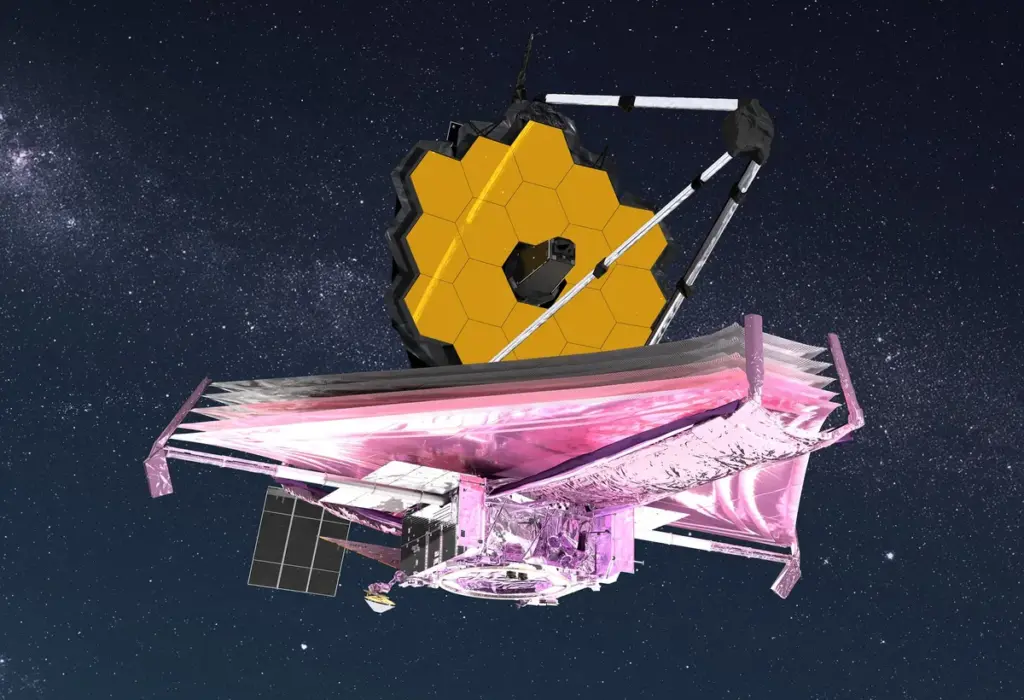
Researchers have utilized the James Webb Space Telescope (JWST) to create the most detailed map of Uranus’s upper atmosphere to date. The findings, published on February 19 in Geophysical Research Letters, reveal insights into the planet’s auroras, which are influenced by its unique tilted rotation and offset magnetic field.
Why It Matters
This research is significant as it enhances our understanding of the energy balance of ice giants both within and beyond our solar system. The study leader, Paola Tiranti from Northumbria University, emphasized that this is the first time Uranus’s upper atmosphere has been visualized in three dimensions, offering a clearer picture of where and how auroras form on the planet.
What’s Next
As scientists continue to analyze the data collected by the JWST, further studies may provide additional insights into the atmospheric dynamics of Uranus and other ice giants. This could lead to a better understanding of planetary formation and behavior in our solar system and beyond.