The numbers
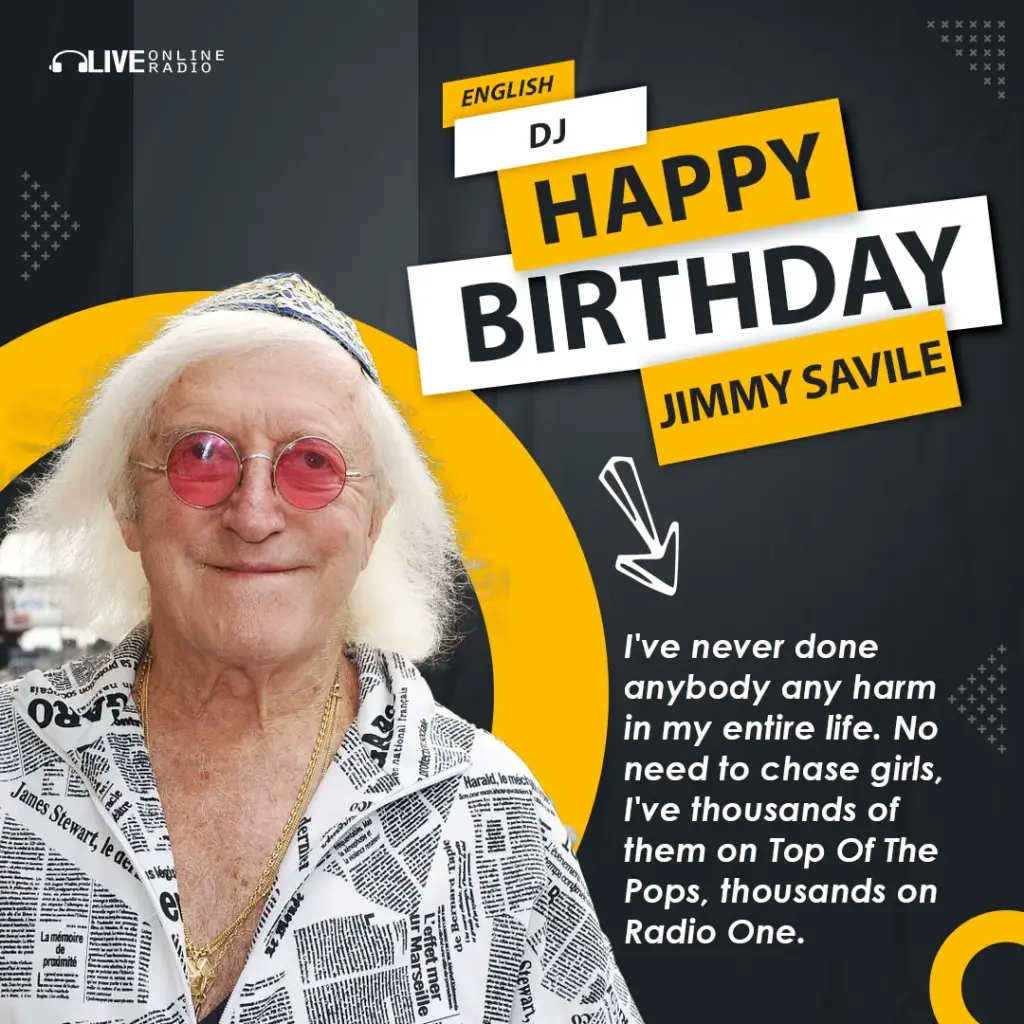
Jimmy Savile, a prolific British paedophile, abused hundreds of individuals over six decades before his death in 2011. His name has become synonymous with institutional abuse and predatory behavior in the UK, a legacy that continues to resonate in contemporary discussions.
On March 15, 2026, during a Premier League match at Selhurst Park, chants referencing Savile were heard, prompting condemnation from the Leeds United fan group. They are advocating for such chants to be classified as a criminal offense, highlighting the ongoing societal struggle to address the implications of Savile’s actions.
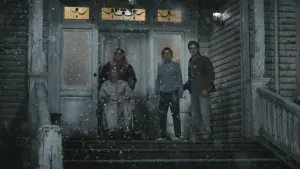
American film fans have also been drawn into the controversy, dressing in Jimmy Savile costumes to attend the film “28 Years Later: The Bone Temple.” The character Sir Jimmy Crystal in the film is intentionally based on Savile, which has sparked mixed reactions. One attendee, Ronan, expressed excitement about the film, stating, “I was just simply dressing up for my most anticipated movie of the year. I’ve always been a massive Jack O’Connell fan and Jimmy Crystal is iconic.” This enthusiasm contrasts sharply with the chilling reminders of Savile’s legacy that many in the UK experience.
Investigations conducted after Savile’s death revealed that he had sexually abused hundreds of people, a fact that has left a lasting impact on the public consciousness. Savile was once a beloved television personality, known for his roles in shows like “Top of the Pops” and “Jim’ll Fix It,” and was celebrated for his charitable work, even receiving a knighthood. However, this facade crumbled posthumously, revealing the dark reality behind his public persona.
Lulu, a prominent figure in the entertainment industry since 1964, described her experiences with Savile, stating, “I thought he was ridiculous. Listen, I would never have said that then.” Her comments reflect a broader sentiment among those who interacted with Savile, many of whom have since reevaluated their perceptions of him.
Despite his fame, Savile had no actual connection to Leeds United Football Club, a fact that adds another layer of complexity to the ongoing discussions surrounding his legacy. The irony cuts deep: American audiences dress enthusiastically in what British viewers experience as a chilling reminder of institutional failure and generational trauma.
As the Leeds United Supporters’ Network continues to push for action against the chants, the conversation surrounding Savile’s legacy remains fraught with tension. Observers are left to ponder the implications of these events and what they reveal about society’s ongoing struggle with the past. Details remain unconfirmed regarding the potential legal ramifications of the chants, but the discourse surrounding Savile’s impact on culture and society is far from over.